
What's Happening?
The pharmaceutical industry is navigating a complex landscape of drug pricing agreements and looming patent expirations. At the recent JPMorgan Healthcare Conference, industry leaders discussed strategies
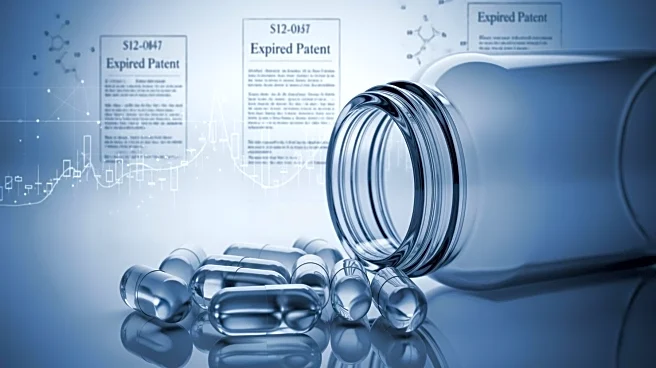
to address potential revenue losses as patents for blockbuster drugs expire. President Trump's healthcare policy, including drug pricing deals, has eased some concerns, providing a three-year reprieve from tariffs for major drugmakers. These agreements, part of the 'most-favored-nation' policy, aim to lower drug prices for Medicaid patients by aligning them with international prices. Companies like Pfizer and AstraZeneca are assessing the impact of these deals on their business models, while also exploring potential buyouts and collaborations to offset revenue declines.
Why It's Important?
The expiration of patents for major drugs poses a significant financial challenge for pharmaceutical companies, potentially leading to a $300 billion revenue loss. The industry's response, including strategic acquisitions and collaborations, highlights the need for innovation and adaptation in a competitive market. The drug pricing agreements, while reducing uncertainty, may also pressure companies to adjust their pricing strategies globally. This situation underscores the delicate balance between maintaining profitability and ensuring affordable access to medications, a critical issue for both the industry and policymakers.
What's Next?
Pharmaceutical companies are likely to continue pursuing mergers and acquisitions to bolster their product pipelines and mitigate the impact of patent expirations. The industry will also monitor the implementation of drug pricing agreements and their effects on global pricing strategies. As companies release their 2026 outlooks, stakeholders will gain insights into how these strategies are expected to unfold. Additionally, the potential for policy changes under President Trump's administration may influence future industry dynamics.