






What's Happening?
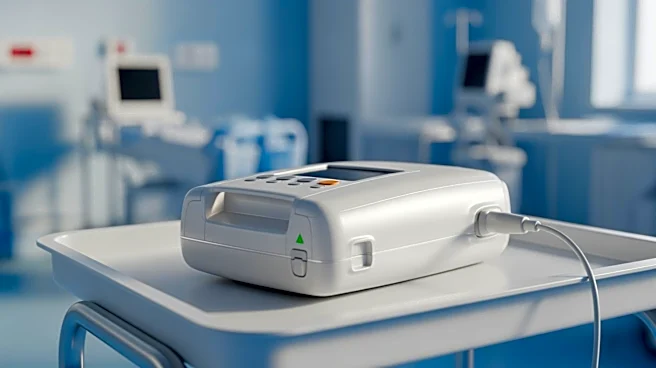
KORU Medical Systems, a prominent medical technology company, presented its latest research findings at the 51st Annual Oncology Nursing Society Congress. The focus was on the FreedomEDGE Syringe Infusion System, which is designed for subcutaneous drug
administration. The study evaluated the system's impact on nursing workflow, nurse experience, and patient-reported outcomes across four community infusion centers in the United States. The results indicated that 100% of doses were successfully administered with infusion times aligning with clinical guidelines. Nurses reported significantly reduced ergonomic strain, and both nurses and patients expressed high satisfaction levels. The system also allowed nurses to multitask during 80% of pump infusions. Brent Rutland, KORU Medical’s Vice President of Global Medical and Clinical Affairs, emphasized the importance of these findings in enhancing healthcare provider and patient experiences.
Why It's Important?
The introduction of the FreedomEDGE Syringe Infusion System represents a significant advancement in the administration of subcutaneous drugs, particularly in oncology settings. By reducing ergonomic strain and increasing satisfaction among healthcare providers and patients, the system could lead to improved patient outcomes and more efficient healthcare delivery. The ability for nurses to multitask during infusions could enhance productivity and reduce healthcare costs. This innovation aligns with the broader trend of patient-centric healthcare solutions, which aim to improve quality of life and treatment adherence. The system's success in real-world settings underscores its potential to be widely adopted, benefiting both healthcare providers and patients.
What's Next?
Following the positive reception at the Oncology Nursing Society Congress, KORU Medical Systems may seek to expand the use of the FreedomEDGE system across more healthcare facilities. The company could also explore further enhancements to the system based on feedback from the congress. Additionally, there may be opportunities to integrate the system into more clinical trials and expand its use in international markets. Stakeholders, including healthcare providers and biopharmaceutical companies, will likely monitor the system's performance and consider its application in other therapeutic areas.