



What's Happening?
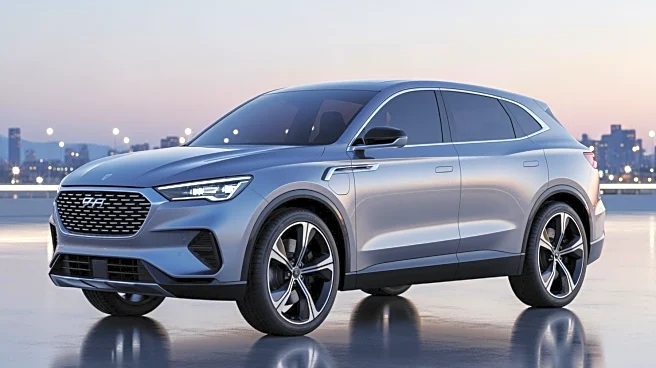
Hyundai and Kia, both under the same corporate umbrella, have introduced the second-generation versions of their popular mid-size, three-row SUVs: the Hyundai Palisade and the Kia Telluride. The 2026 Hyundai Palisade and the 2027 Kia Telluride have been updated with new features and designs. Both models offer three-row seating, with the option of a three-person bench or bucket seats in the second row, accommodating up to eight passengers. The SUVs share a hybrid powertrain, consisting of a turbocharged 2.5-liter four-cylinder engine paired with a six-speed automatic transmission and two electric motors, delivering 329 horsepower. The Palisade retains a naturally aspirated V-6 engine as its standard, while the Telluride has switched to a 2.5-liter turbo-four
engine. Both models have a maximum tow rating of 5000 pounds, with hybrid versions slightly lower. The Palisade Hybrid offers impressive fuel economy, with EPA estimates of up to 35 mpg highway in its most economical configuration.
Why It's Important?
The introduction of these new models is significant for the automotive market, particularly in the competitive mid-size SUV segment. Hyundai and Kia's decision to offer hybrid powertrains reflects a growing trend towards more fuel-efficient and environmentally friendly vehicles. This move could attract consumers looking for larger vehicles without compromising on fuel economy. The updates in design and features also aim to enhance the appeal of these models in a crowded market. The competition between the Palisade and Telluride, despite being from the same corporate family, highlights the brands' efforts to differentiate themselves and capture a larger market share. The pricing strategy, with both models closely aligned, suggests a focus on offering value to consumers while maintaining competitive positioning.
What's Next?
As these new models hit the market, consumer response will be crucial in determining their success. Hyundai and Kia will likely monitor sales closely to assess the impact of their new features and hybrid offerings. The automotive industry will be watching to see if these models set new standards in the mid-size SUV category, particularly in terms of fuel efficiency and hybrid technology. Future updates or additional features may be introduced based on consumer feedback and market trends. Additionally, the success of these models could influence other manufacturers to accelerate their own hybrid and electric vehicle offerings in the SUV segment.