

What's Happening?
The New Museum in New York City has reopened after a significant expansion, adding nearly 62,000 square feet to its existing space. This expansion effectively doubles the museum's exhibition capacity, bringing the total footprint to approximately 120,000
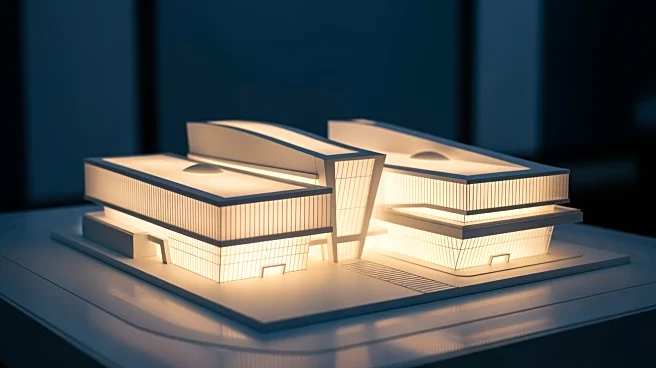
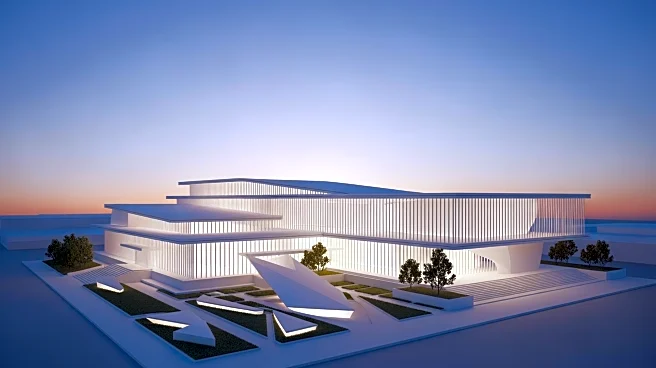
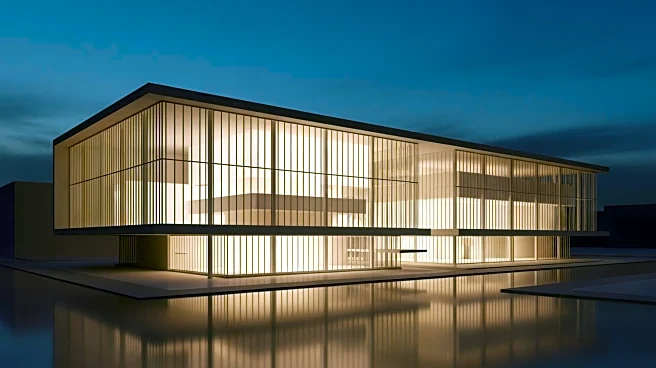
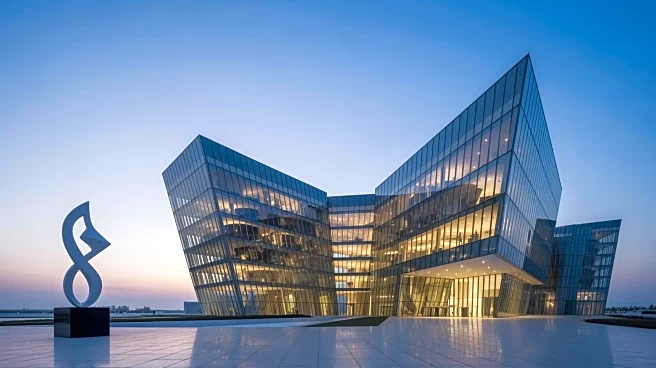
square feet. The new building, designed by OMA, is intended to function in tandem with the original SANAA-designed tower, creating a cohesive and interconnected space. The expansion includes new galleries, artist studios, and a permanent home for the museum's incubator, NEW INC. The inaugural exhibition, 'New Humans: Memories of the Future,' features over 200 artists and explores the impact of technology on human identity. The museum's new design emphasizes openness and accessibility, with a glass-and-metal façade that shifts from opaque to transparent, inviting the public into the space.
Why It's Important?
The reopening of the New Museum with its expanded facilities marks a significant development in the cultural landscape of New York City. By doubling its exhibition space and incorporating new infrastructure for artistic production, the museum reinforces its role as a hub for emerging voices and innovative ideas. This expansion not only enhances the museum's capacity to host diverse exhibitions but also positions it as a cultural laboratory where art is actively produced and discussed. The focus on technology and human identity in the inaugural exhibition reflects broader societal themes, making the museum a relevant and dynamic space for contemporary discourse. The expansion also highlights the evolving role of museums as public spaces that foster community engagement and cultural exchange.
What's Next?
With the expanded facilities, the New Museum is poised to host a wider range of exhibitions and events, attracting a diverse audience. The new public plaza and the integration of artist studios and educational spaces suggest a future where the museum will serve as a vibrant community center. The museum's commitment to showcasing emerging artists and exploring contemporary issues will likely continue to draw attention and foster dialogue. As the museum settles into its new space, it may also explore partnerships and collaborations that leverage its enhanced capabilities. The success of the expansion could inspire similar initiatives in other cultural institutions, further transforming the museum landscape.