


What's Happening?
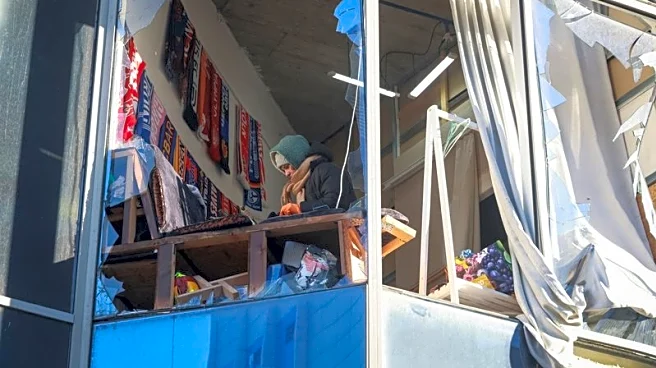
The Australian Open 2026 highlights the remarkable journeys of several tennis players who have overcome significant adversities to reach the professional level. Oleksandra Oliynykova, a Ukrainian player, has faced numerous challenges, including training under the threat of missile attacks in Kyiv and living without basic utilities. Despite these hardships, she has become a top-100 player and recently participated in her first Grand Slam main draw at the Australian Open. Her story is one of resilience, as she continues to live in Ukraine amidst the ongoing conflict. Similarly, Novak Djokovic and Damir Dzumhur have also risen from difficult backgrounds. Djokovic grew up in war-torn Serbia, while Dzumhur was born during the Bosnian War, facing
limited access to proper tennis facilities. These players' stories underscore the financial and personal challenges faced by athletes from war-affected regions.
Why It's Important?
The stories of these tennis players are significant as they highlight the broader issues of accessibility and opportunity in professional sports. The financial barriers to entry in tennis are substantial, with costs for equipment, coaching, and travel often prohibitive for many. The experiences of Oliynykova, Djokovic, and Dzumhur illustrate how socio-political factors can further complicate the pursuit of a sports career. Their success despite these challenges serves as an inspiration and calls attention to the need for more inclusive support systems in sports. Additionally, their stories emphasize the importance of increasing prize money in tournaments to support players from diverse backgrounds, ensuring that talent, rather than financial means, determines success in the sport.
What's Next?
The experiences of these players may influence ongoing discussions about prize money distribution in tennis. Leading players are advocating for increased prize money at Grand Slam events to support lower-ranked players who face financial difficulties. This could lead to policy changes within tennis organizations to create a more equitable environment for all players. Furthermore, the stories of resilience and determination may inspire other athletes facing similar challenges, encouraging them to pursue their dreams despite obstacles. The tennis community may also see increased efforts to provide resources and support for players from conflict-affected regions.
Beyond the Headlines
Beyond the immediate impact on the players' careers, these stories highlight the intersection of sports and socio-political issues. The resilience shown by these athletes can serve as a powerful narrative in discussions about the role of sports in society, particularly in providing hope and opportunities in challenging circumstances. The global tennis community may also be prompted to consider how it can contribute to social change, using its platform to raise awareness and support for those affected by conflict and economic hardship. These narratives may also influence cultural perceptions of athletes, shifting the focus from mere performance to the personal journeys and struggles that shape their careers.