







What's Happening?
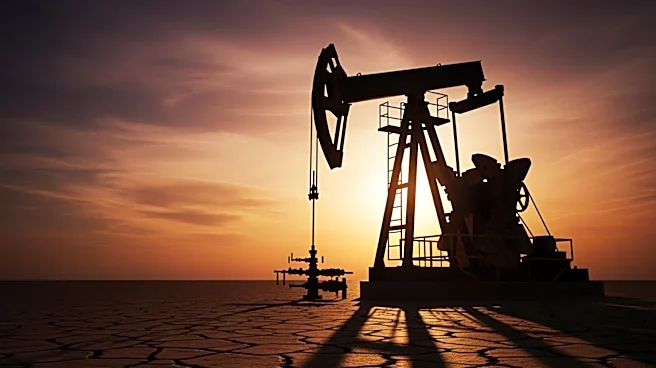
The United States has significantly increased its oil exports in response to the ongoing conflict with Iran, which has disrupted global oil supplies. The U.S. has become a pivotal player in stabilizing the energy market by boosting exports and selectively
easing sanctions. This strategic move has resulted in a substantial increase in the value of U.S. crude oil and refined product exports, estimated at $32 billion above pre-war levels. The U.S. has also tapped into its Strategic Petroleum Reserve, releasing 172 million barrels to mitigate supply shortages. This action has positioned the U.S. as a leading energy superpower, with its oil exports reaching record levels, particularly benefiting Asian economies that are vulnerable to Gulf supply disruptions.
Why It's Important?
The U.S.'s increased oil exports have significant implications for global energy markets and domestic economic interests. By stepping up as a major oil supplier, the U.S. has not only cushioned global markets from severe price spikes but also bolstered its own economic standing through increased corporate profits and tax revenues. This development underscores the U.S.'s strategic leverage in global energy politics, potentially reshaping alliances and economic dependencies. However, the U.S. must balance its actions to avoid straining relationships with allies who rely on its oil exports and to prevent retaliatory measures. The situation highlights the U.S.'s dual role as both a stabilizer and a potential disruptor in the global energy landscape.
What's Next?
Looking ahead, the U.S. may continue to navigate its role as a 'swing provider' in the energy market, with the potential to influence global supply dynamics. The Trump administration's decisions on export restrictions or sanctions will be closely watched, especially with upcoming midterm elections. Any changes in U.S. energy policy could have ripple effects on international energy prices and geopolitical relations. The U.S. will need to carefully manage its strategic reserves and diplomatic ties to maintain its influence and avoid economic or political backlash.