


What's Happening?
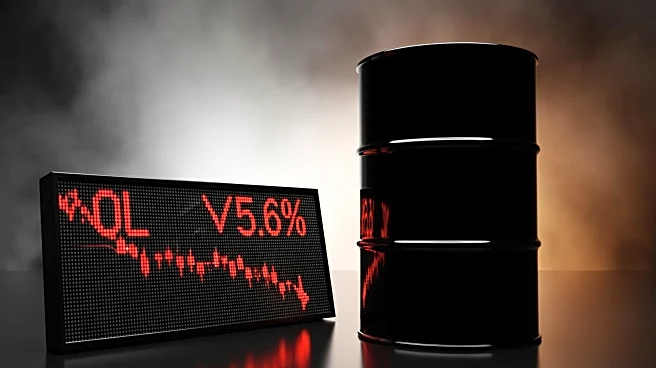
This week, energy markets experienced increased volatility due to escalating tensions involving Iran. These tensions have led to a significant rise in oil prices, with Brent crude briefly trading above $90 per barrel. The situation has disrupted shipping
routes and caused a surge in LNG freight rates. Despite these geopolitical shocks, investment in shale and infrastructure assets continues, indicating a sustained interest in long-term energy projects. The Strait of Hormuz, a critical oil chokepoint, remains a focal point of concern, as potential disruptions could further impact global oil supply and prices.
Why It's Important?
The current geopolitical tensions underscore the vulnerability of global energy markets to regional conflicts. The Strait of Hormuz is a vital passage for oil transportation, and any disruption can have far-reaching effects on global supply chains and energy prices. The increase in LNG freight rates highlights the economic impact of shipping disruptions, which can alter the cost dynamics of energy commodities. Investors' continued interest in shale and infrastructure assets suggests confidence in the long-term viability of these sectors, despite short-term volatility. This situation emphasizes the need for strategic planning and risk management in energy investments.