






What's Happening?
The Bureau of Labor Statistics is set to release the April jobs report, which is expected to show a modest gain of 55,000 jobs, maintaining the unemployment rate at 4.3%. This figure, while lower than previous years, is considered sufficient to keep the labor
market stable. The report highlights a cooling yet resilient labor market, with significant wage growth disparities. Top earners are seeing substantial wage increases, while lower earners face challenges due to rising consumer prices. The report underscores a 'K-shaped' economic recovery, where benefits are unevenly distributed across different income groups.
Why It's Important?
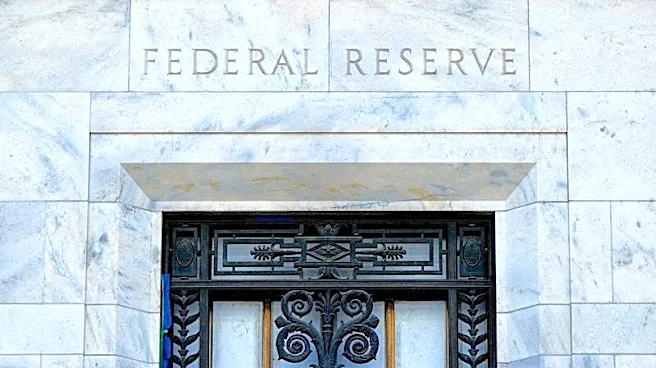
The anticipated job growth and wage disparities reflect broader economic trends and challenges. The stability in the labor market, despite modest job gains, suggests resilience but also highlights underlying inequalities. The 'K-shaped' recovery indicates that while some sectors and income groups are thriving, others are struggling, which could have long-term implications for economic policy and social equity. The Federal Reserve's response to these dynamics will be crucial, as it balances interest rate policies with the need to address inflation and support economic growth.
What's Next?
The Federal Reserve will likely monitor these developments closely, as the mixed signals from the labor market and inflation could influence future monetary policy decisions. Policymakers may need to consider targeted interventions to address wage disparities and support lower-income workers. Additionally, the ongoing economic divergence could prompt discussions on fiscal policies aimed at promoting inclusive growth and reducing inequality. The labor market's performance in the coming months will be critical in shaping economic strategies and addressing the challenges of a post-pandemic recovery.