





What's Happening?
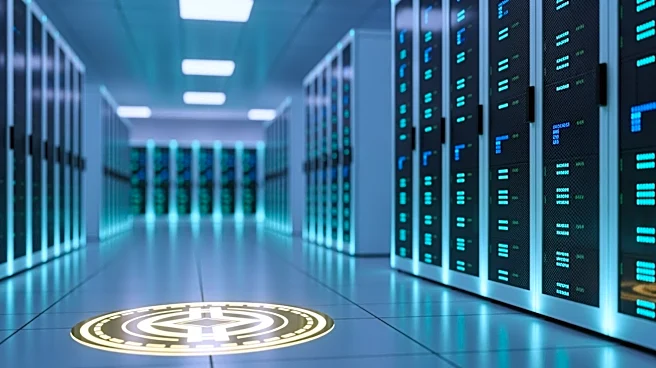
Bitcoin miners are increasingly transitioning to become AI data centers, marking a significant shift in the industry. This change is driven by the declining profitability of Bitcoin mining and the rising demand for AI computing power. Public Bitcoin miners have
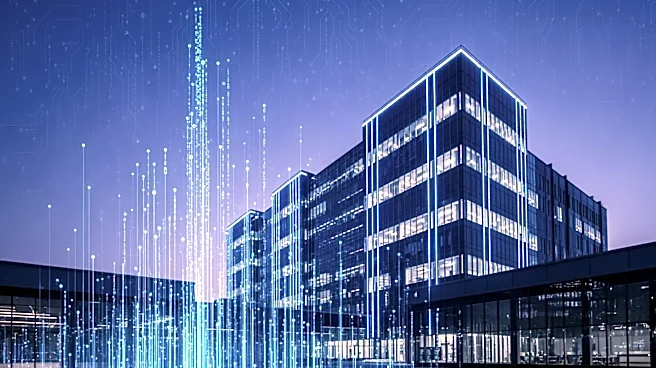
secured over $70 billion in AI and high-performance computing contracts, moving away from their traditional reliance on mining revenue. Companies like Hut 8, TeraWulf, and IREN have signed multi-billion-dollar deals to provide AI computing capacity, with projections indicating that up to 70% of their revenue could come from AI by the end of 2026. This pivot is supported by the miners' existing infrastructure, which is well-suited for AI data centers, and the stable, long-term revenue these contracts offer compared to the volatile nature of Bitcoin mining.
Why It's Important?
The shift from Bitcoin mining to AI data centers has significant implications for both the cryptocurrency and AI industries. For Bitcoin, this transition could lead to reduced network security as miners divert resources away from mining, potentially affecting the hashrate. Additionally, the sale of Bitcoin by miners to fund their AI ventures adds selling pressure to the market. For the AI industry, the influx of computing capacity from former Bitcoin miners could help meet the growing demand for AI processing power, potentially accelerating advancements in AI technology. This transformation also reflects a broader trend of industries adapting to new technological opportunities, highlighting the dynamic nature of the tech sector.
What's Next?
As Bitcoin miners continue to pivot towards AI data centers, the industry may see further consolidation and specialization. Companies that successfully transition could become major players in the AI infrastructure market, while those unable to adapt may struggle. The long-term contracts signed by miners suggest a permanent shift, with little likelihood of returning to Bitcoin mining even if prices recover. This could lead to a more stable and predictable revenue model for these companies, attracting new investors and reshaping the landscape of both the cryptocurrency and AI sectors.
Beyond the Headlines
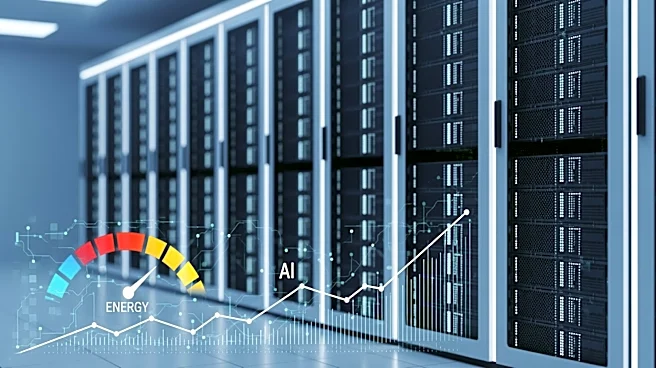
The transition of Bitcoin miners to AI data centers raises questions about the future of decentralized networks and the role of traditional mining operations. As miners focus on AI, the decentralization of Bitcoin could be impacted, potentially affecting its foundational principles. Additionally, the environmental impact of AI data centers, which require significant energy resources, may become a topic of concern, prompting discussions on sustainable practices in tech infrastructure. This shift also underscores the importance of adaptability in business strategy, as companies navigate the evolving demands of technology and market conditions.