







What's Happening?
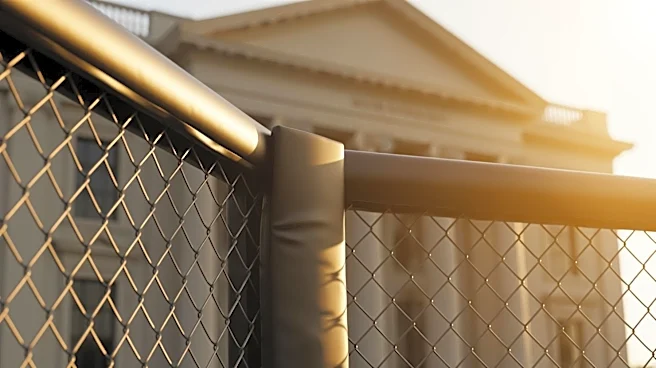
UFC commentator Joe Rogan has shared his thoughts on the upcoming UFC Freedom 250 event, which is set to take place on the White House's South Lawn in celebration of President Donald Trump's birthday. Initially, Rogan expressed concerns about the outdoor
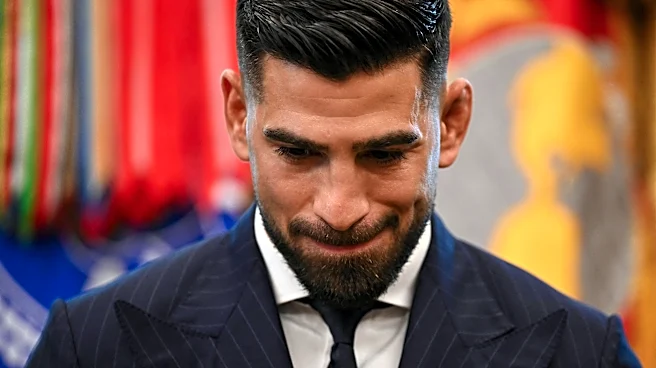
setting, citing potential issues with heat, humidity, and insects that could affect the fighters' performance. However, in a recent episode of his podcast, The Joe Rogan Experience, he shifted his stance, describing the event as quintessentially American. Rogan noted the polarized reactions to the event, with some criticizing it as a misuse of funds given the country's financial issues, while others embraced it as a unique celebration of American culture. The event, part of the America 250 festivities marking the United States' 250th anniversary, will feature a headline fight between Ilia Topuria and Justin Gaethje and will be broadcast on Paramount+.
Why It's Important?
The UFC event at the White House represents a convergence of sports, politics, and national identity, highlighting the cultural significance of such events in American society. By hosting a UFC fight on the White House lawn, the event underscores the blending of entertainment and political spectacle, reflecting broader societal trends where sports are increasingly used as platforms for political expression and national celebration. This event could influence public perception of the administration, either as a bold celebration of American culture or as a controversial use of resources. The reactions to this event may also reflect broader societal divisions regarding the role of government in entertainment and public spending priorities.
What's Next?
The UFC Freedom 250 event is scheduled for June 14, coinciding with President Trump's birthday. As the event approaches, it is likely to attract significant media attention and public discourse, potentially influencing public opinion on the administration's cultural initiatives. Stakeholders, including political leaders, sports commentators, and the general public, may continue to debate the appropriateness and impact of such events. The outcome of the event and its reception could shape future decisions regarding the use of national landmarks for entertainment purposes.