







What's Happening?
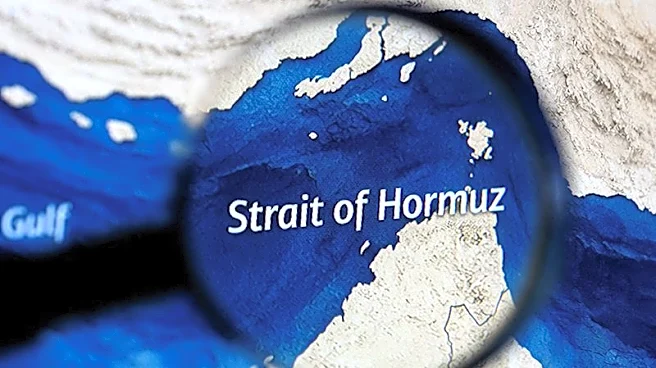
The ongoing conflict involving Iran has led to a significant increase in U.S. oil prices, with West Texas Intermediate (WTI) crude oil experiencing a steep rise. This surge is attributed to geopolitical uncertainties that have investors concerned about
the stability of energy supplies. Historical analysis of past oil price peaks reveals that such increases often coincide with challenging periods for the stock market. The S&P 500 Index has historically struggled to maintain momentum following major oil price peaks, often entering corrective phases or bear markets. The current situation mirrors past events, suggesting potential volatility in equity markets.
Why It's Important?
The rise in oil prices due to geopolitical tensions has broad implications for the U.S. economy and stock markets. Higher oil prices can lead to increased costs for businesses and consumers, potentially slowing economic growth. The stock market's response to oil price shocks is critical, as it can influence investor confidence and market stability. The historical correlation between oil price peaks and stock market downturns highlights the need for investors to be cautious. The current geopolitical climate adds uncertainty, making it essential for stakeholders to monitor developments closely.
What's Next?
As the situation evolves, investors and market analysts will be watching for signs of resolution in the Iran conflict, which could stabilize oil prices. The stock market may experience increased volatility as it reacts to changes in oil prices and geopolitical developments. Analysts suggest that the S&P 500 may face choppy trading conditions in the coming months. Investors are advised to consider historical patterns and remain vigilant in their investment strategies. The potential for further geopolitical developments could continue to impact both oil prices and market trends.