

What's Happening?
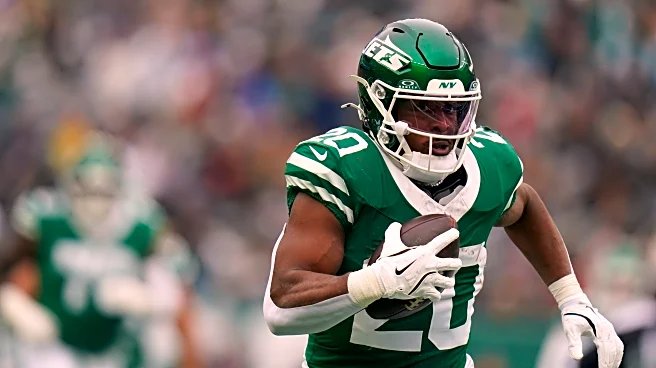
The NFL franchise and transition tag deadline has passed, with several key players receiving tags. The Dallas Cowboys and Atlanta Falcons secured wide receiver George Pickens and tight end Kyle Pitts Sr., respectively, for another season. The New York
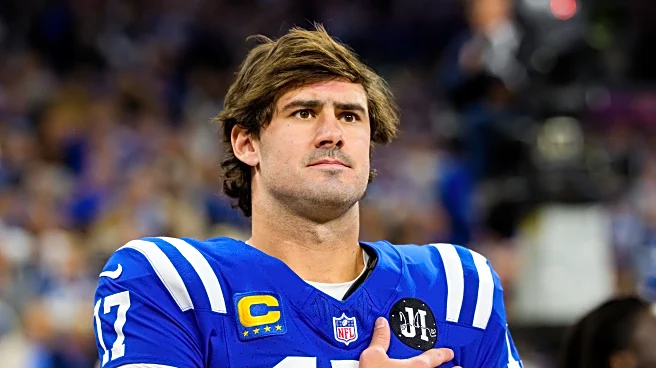
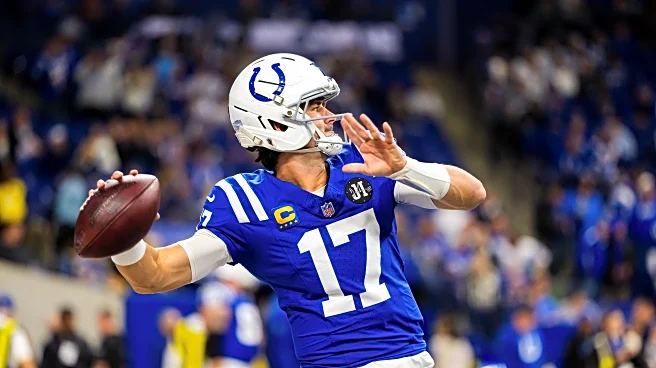
Jets franchise-tagged running back Breece Hall, while the Indianapolis Colts used a transition tag on quarterback Daniel Jones. These moves allow the teams to retain these players while continuing to negotiate long-term deals. The franchise tag is often seen as beneficial for teams but less so for players, as it restricts their ability to negotiate freely with other teams.
Why It's Important?
The use of franchise and transition tags significantly impacts the NFL free agency landscape. For teams, it provides a mechanism to retain key players without committing to long-term contracts immediately. For players, it can limit their earning potential and freedom to explore other opportunities. The tags placed on players like George Pickens and Breece Hall highlight their value to their respective teams, but also underscore the strategic considerations teams must balance, such as salary cap constraints and future roster planning. The decisions made at the tag deadline can influence team dynamics and player negotiations leading up to the new season.
What's Next?
As the NFL offseason progresses, teams and tagged players will continue negotiations to reach long-term agreements before the July 15 deadline. If no agreement is reached, players will play under the one-year tag. The Cowboys, for instance, have flexibility in negotiating with Pickens, who could still explore offers from other teams. Similarly, the Jets and Hall will work towards a deal that satisfies both parties. The outcomes of these negotiations will shape team rosters and strategies for the upcoming season, with potential trades or contract extensions altering the competitive landscape.