








What's Happening?
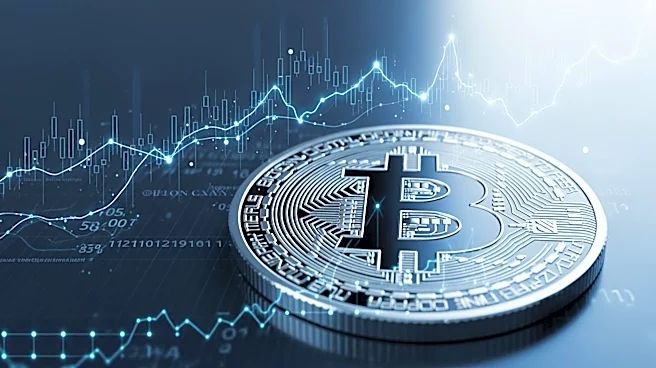
Stablecoins, digital currencies pegged to stable assets like the US dollar, are becoming a significant force in the global financial system. According to Jan Scheele, a digital assets expert, stablecoins represent the most significant shift in monetary
architecture since the fiat system's introduction. With 98% of stablecoins denominated in dollars, the US is extending its monetary influence into the digital age. This development is seen as both a consolidation of monetary power and a potential challenge to the dollar's global dominance. The GENIUS Act in the US has legitimized stablecoins by requiring issuers to back them with real dollars or safe assets. The infrastructure for stablecoins is expanding, with companies like Reap and Payward acquiring infrastructure firms to enhance their global regulatory footprint.
Why It's Important?
The rise of stablecoins could reinforce the US dollar's dominance in global finance, as they are predominantly dollar-denominated. This could consolidate the US's monetary power, extending its influence into the digital realm. However, it also poses a challenge to the dollar's dominance, as other countries like China are developing alternative systems to reduce reliance on the dollar. The US's strategic priority is to maintain its position as the world's most important currency, involved in a significant portion of global transactions and central bank reserves. The expansion of stablecoins could either bolster this position or introduce new dynamics in global financial systems.
What's Next?
The stablecoin market is expected to grow rapidly, with more coins and users entering the space. Crypto exchanges are obtaining banking licenses, and the convergence of AI and stablecoins is anticipated, with AI agents using stablecoins for transactions. This growth could lead to increased regulatory scrutiny and potential geopolitical tensions as countries navigate the implications of digital currencies on traditional financial systems.
Beyond the Headlines
Stablecoins could have deeper implications beyond financial systems, including ethical and legal challenges. Their use in illicit activities, as identified by the United Nations, highlights the need for robust regulatory frameworks. Additionally, the geopolitical impact of stablecoins could alter power dynamics, with countries like China and Russia seeking to reduce dollar dominance through alternative currencies.