





What's Happening?
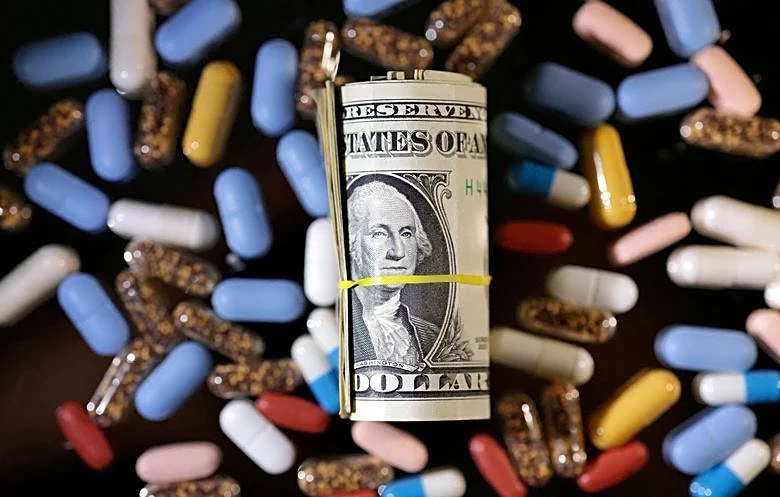
President Trump has signed an executive order imposing tariffs of up to 100% on imported brand-name medicines unless manufacturers agree to drug pricing deals or establish U.S. manufacturing facilities. This decision follows a Section 232 investigation
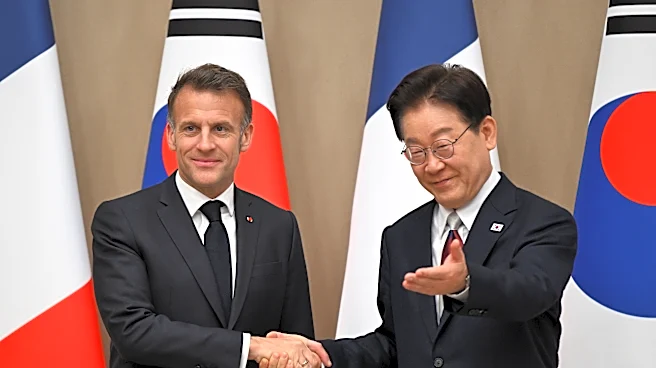
into the pharmaceutical sector, citing national security concerns over the volume of medicine imports. While major exemptions exist for generic and biosimilar medicines, the tariffs are expected to disproportionately affect smaller manufacturers. Countries with recent trade deals, such as the EU, Switzerland, Japan, and South Korea, will face lower tariff rates, while the UK has secured a zero rate for three years.
Why It's Important?
The tariffs could lead to increased drug costs and impact the availability of medicines in the U.S. Smaller pharmaceutical companies may struggle to absorb the costs or relocate production, potentially stifling innovation and leading to a two-tier system favoring larger firms. The tariffs are part of Trump's broader trade strategy, which has previously led to geopolitical tensions and efforts by countries to establish new trade relationships excluding the U.S. The move may also affect the prices paid by the NHS for new medicines, as part of the UK-U.S. trade deal.
What's Next?
Larger pharmaceutical companies have 120 days to negotiate agreements to avoid the tariffs, while smaller firms have 180 days. The Midsized Biotech Alliance of America has filed legal action against the tariffs, arguing they penalize smaller innovators. The Commerce Department may reevaluate generic medicines within a year, potentially leading to future tariffs. The industry is likely to continue lobbying against the tariffs, citing concerns over supply chain disruptions and increased costs.
Beyond the Headlines
The tariffs reflect Trump's protectionist trade agenda and may lead to long-term shifts in global pharmaceutical trade relationships. The move could exacerbate existing tensions and drive countries to seek alternative trade partners. The pharmaceutical industry faces challenges in balancing cost increases with the need to maintain innovation and competitiveness.