




What's Happening?
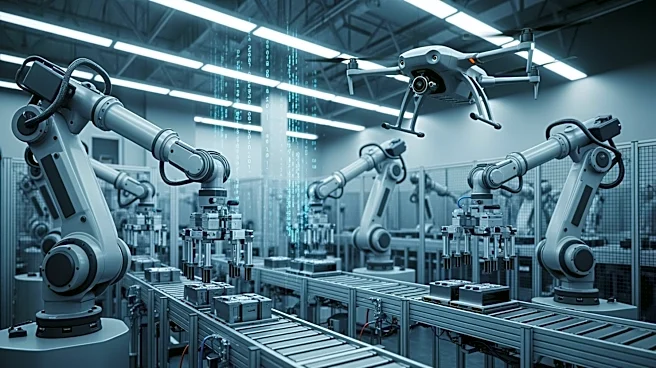
Manufacturing facilities are increasingly adopting drones to enhance operational efficiency, particularly in inspection and inventory management. Drones offer significant advantages by reducing the need for physical inspections, which are often labor-intensive
and risky. They can perform tasks such as inspecting elevated or confined spaces and conducting inventory scans with minimal disruption. However, as drones become more integrated into manufacturing processes, they also introduce cybersecurity challenges. These drones, being connected devices, transmit high-resolution imagery and store critical infrastructure data, making them potential targets for cyber threats. To mitigate these risks, manufacturers are advised to align with cybersecurity frameworks like the ISA/IEC 62443 series, which provides guidelines for managing cyber-physical risks associated with operational technology.
Why It's Important?
The integration of drones in manufacturing is significant as it represents a shift towards more automated and efficient operations. This can lead to reduced downtime, lower operational costs, and enhanced safety by minimizing human exposure to hazardous environments. However, the cybersecurity risks associated with drone technology cannot be overlooked. A compromised drone could expose sensitive infrastructure data or provide a gateway for cyber attacks on enterprise networks. Therefore, addressing these cybersecurity concerns is crucial for manufacturers to fully leverage the benefits of drone technology while safeguarding their operations. The successful integration of drones could also set a precedent for other industries, highlighting the importance of balancing technological advancement with robust cybersecurity measures.
What's Next?
As drone technology continues to evolve, manufacturers are expected to further integrate these devices into their operations. This includes the potential for autonomous drone operations, where drones could perform scheduled inspections and transmit data to AI-enabled analytics platforms in real-time. Such advancements could lead to more comprehensive and efficient monitoring of manufacturing facilities. However, manufacturers will need to continue investing in cybersecurity measures to protect against potential threats. This may involve ongoing training for staff, updating security protocols, and ensuring compliance with industry standards. The future of drone technology in manufacturing will likely depend on the industry's ability to address these challenges while maximizing the operational benefits.
Beyond the Headlines
The adoption of drones in manufacturing also raises ethical and workforce considerations. While drones can augment the capabilities of skilled labor, there are concerns about potential job displacement. However, the technology is more likely to create new roles, such as drone pilots and data analysts, rather than replace existing jobs. Additionally, the use of drones in regulated industries, such as pharmaceuticals and energy, could enhance compliance and audit readiness by providing timestamped and georeferenced data. This could lead to more stringent regulatory requirements and standards for drone operations in these sectors.