




What's Happening?
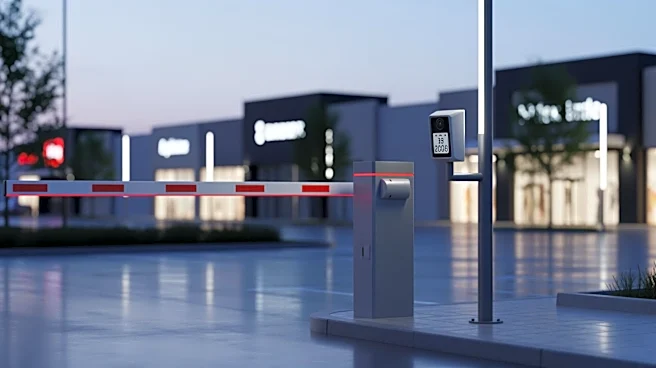
Lowe's and Home Depot are increasing the use of AI-powered license plate readers in their store parking lots across states like California, Texas, and Connecticut. This move aims to enhance security and combat theft. However, privacy advocates express
concerns that these systems could track shoppers' movements, creating extensive databases of consumer behavior. The technology captures images of vehicles and license plates, along with time, date, and location data. While Lowe's states that the data is used to ensure security and prevent theft, it can also be shared with law enforcement under certain conditions. Home Depot confirmed similar use of the technology, emphasizing its role in security. The use of such surveillance tools has sparked legal and ethical debates, particularly regarding data sharing with law enforcement.
Why It's Important?
The deployment of license plate readers by major retailers like Lowe's and Home Depot highlights the growing reliance on surveillance technology to address retail theft. This trend raises significant privacy concerns, as the data collected could be accessed by law enforcement, potentially leading to misuse or overreach. The balance between security and privacy is a critical issue, with implications for consumer rights and data protection. Retailers argue that such measures are necessary to combat organized retail theft, but privacy advocates warn of the potential for creating vast databases of innocent shoppers' movements. This development could influence future legislation and regulations regarding surveillance technology in private spaces.
What's Next?
As the use of license plate readers expands, legal challenges and regulatory scrutiny are likely to increase. Connecticut has already passed legislation to regulate the use of such systems, including data retention limits. Other states may follow suit, potentially leading to a patchwork of regulations across the country. Retailers may need to navigate these legal landscapes while addressing consumer privacy concerns. The ongoing debate could also prompt further discussions on the ethical use of surveillance technology in private and public spaces, influencing future policy decisions.