






What's Happening?
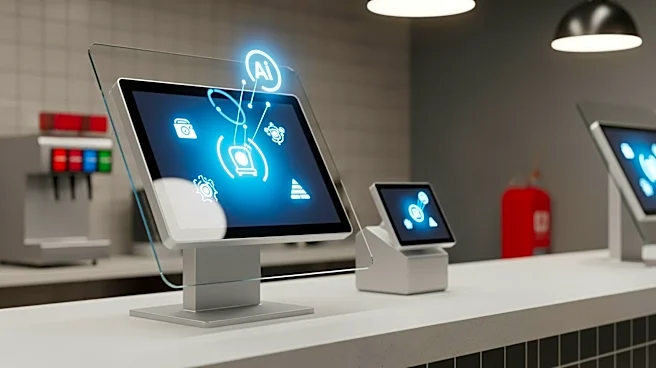
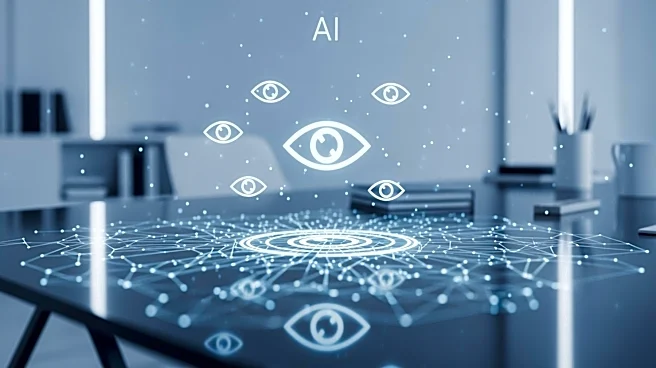
The increasing use of artificial intelligence in workplaces is shifting the focus from job displacement to issues of worker control and surveillance. AI technologies are being used to monitor and manage employees, particularly in lower-paid roles, through
systems that track performance and optimize tasks. This has created a divide between workers who benefit from AI as a tool to enhance their skills and those who are subjected to its oversight. The trend is raising concerns about the impact on worker autonomy and the potential for increased stress and reduced job satisfaction.
Why It's Important?
The deployment of AI in the workplace has significant implications for labor dynamics and worker rights. While AI can enhance productivity and efficiency, its use in surveillance and management can lead to a loss of autonomy and increased pressure on workers. This could exacerbate existing inequalities in the labor market, as higher-paid workers gain from AI's benefits while lower-paid workers face more stringent oversight. The situation calls for a reevaluation of how AI is integrated into workplaces, emphasizing transparency and worker involvement in decision-making processes.
What's Next?
As AI continues to permeate workplaces, there is a growing need for policies that ensure fair and ethical use of these technologies. This includes providing workers with training to adapt to AI-driven environments and establishing democratic principles in the workplace. Companies and policymakers must address these challenges to prevent AI from becoming a tool of inequality and to ensure it contributes positively to the future of work.