






What's Happening?
At the Milken Global Conference in Beverly Hills, industry leaders from the AI supply chain discussed significant challenges affecting growth. Executives from companies like ASML, Google Cloud, and Applied Intuition highlighted ongoing issues such as
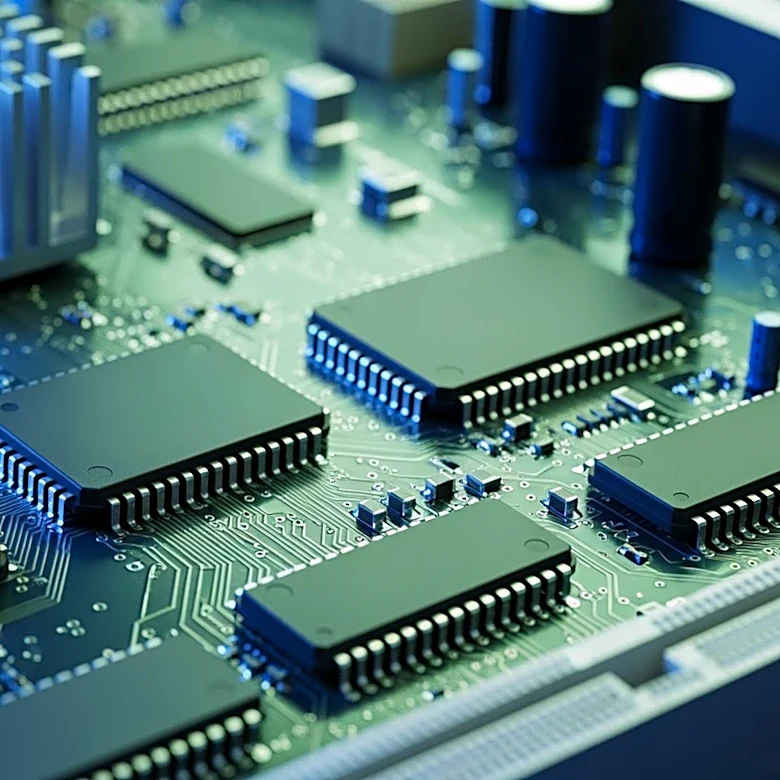
chip shortages and energy resource constraints. ASML CEO Christophe Fouquet noted that despite increased chip production, the market will remain supply-constrained for the next five years, impacting major tech companies like Google, Microsoft, Amazon, and Meta. Google Cloud COO Frances de Souza confirmed the high demand and rapid growth in revenue and order backlogs. Additionally, Applied Intuition founder Qasar Younis emphasized the importance of real-world data over synthetic simulations for training autonomous systems. Google is exploring the potential of placing data centers in space to address energy shortages, although technical challenges persist.
Why It's Important?
The challenges discussed at the conference have significant implications for the tech industry and broader economy. Chip shortages could hinder the growth of major tech companies, affecting their ability to innovate and meet consumer demand. This could lead to increased costs and delays in product development. The exploration of space-based data centers by Google highlights the lengths companies are willing to go to secure energy resources, which could lead to new technological advancements and economic opportunities. However, the technical difficulties associated with such endeavors could pose risks and require substantial investment. The emphasis on real-world data for AI training underscores the need for robust data collection and management strategies, which could drive further investment in data infrastructure.
What's Next?
As the industry grapples with these challenges, companies may need to explore alternative solutions to mitigate the impact of chip shortages and energy constraints. This could involve increased investment in research and development to improve chip manufacturing processes and energy efficiency. The potential for space-based data centers may lead to collaborations with aerospace companies and government agencies to address technical hurdles. Additionally, the focus on real-world data for AI training could spur partnerships with industries that generate large volumes of data, such as automotive and logistics. Stakeholders will likely monitor these developments closely to assess their impact on the tech industry and the economy.