



What's Happening?
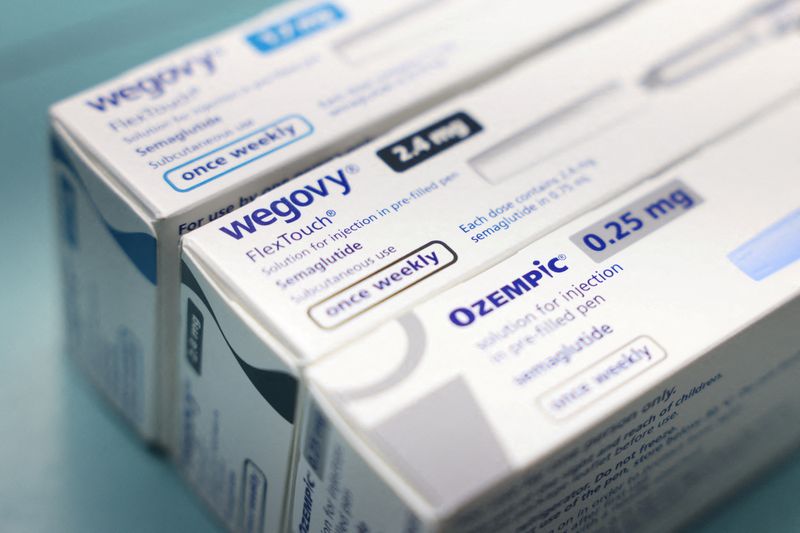
GLP-1 therapies, traditionally used for weight loss, are showing potential in treating substance use disorders, according to recent developments in the pharmaceutical industry. Companies like Baseline Therapeutics and Eli Lilly are advancing phase 3 programs
for GLP-1 receptor agonists (GLP-1RAs) targeting alcohol use disorder. These therapies have demonstrated promising results in reducing drug and alcohol use in early studies. The adoption of GLP-1 treatments is expected to be driven by their efficacy and broad benefits, appealing to both patients and healthcare providers. This marks a significant shift in healthcare, with GLP-1s also contributing to the scaling of direct-to-consumer care models and integrated chronic disease management.
Why It's Important?
The expansion of GLP-1 therapies into addiction treatment represents a potential breakthrough in addressing alcohol use disorder, which affects nearly 29 million Americans. The success of these therapies could significantly improve public health outcomes and reduce the societal and economic burdens associated with addiction. Additionally, the broader application of GLP-1s in chronic disease management could transform healthcare delivery, emphasizing preventive care and patient-centered approaches. This development is crucial for pharmaceutical companies, healthcare providers, and patients, as it opens new avenues for treatment and wellness.
What's Next?
As GLP-1 therapies continue to gain traction, pharmaceutical companies are likely to invest in further research and development to explore additional applications. The success of ongoing clinical trials will be pivotal in determining the future of GLP-1s in addiction medicine and chronic disease management. Healthcare systems may need to adapt to incorporate these therapies into standard care practices, potentially reshaping treatment protocols and reimbursement models.