

What's Happening?
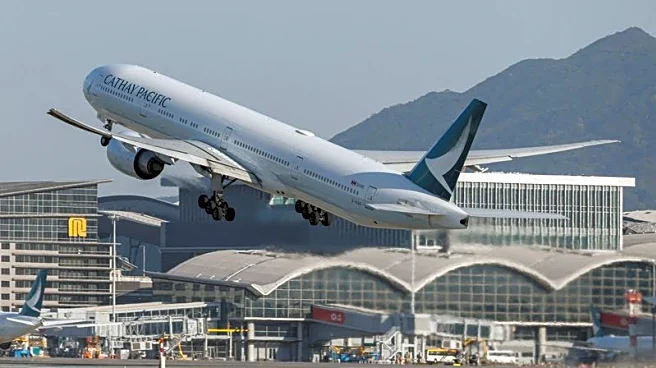
The ongoing conflict in Iran has led to a significant surge in oil prices, impacting global flight operations. As a result, international carriers are raising fares, and U.S. airlines may soon follow suit. Jet fuel, a major expense for airlines, has seen
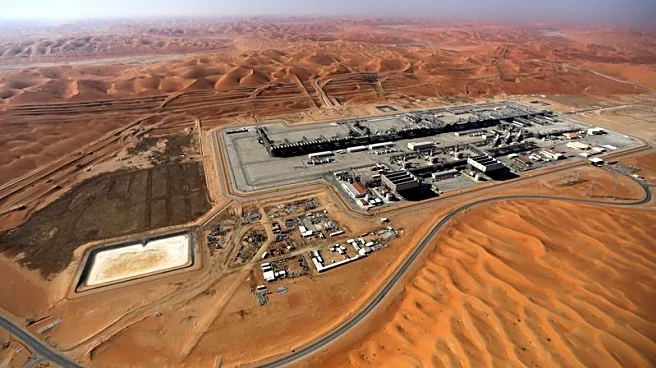
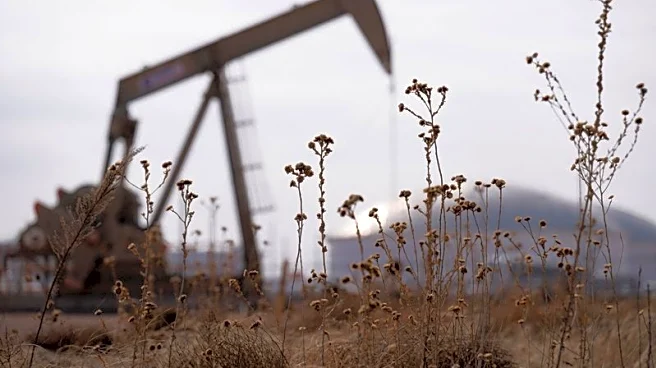
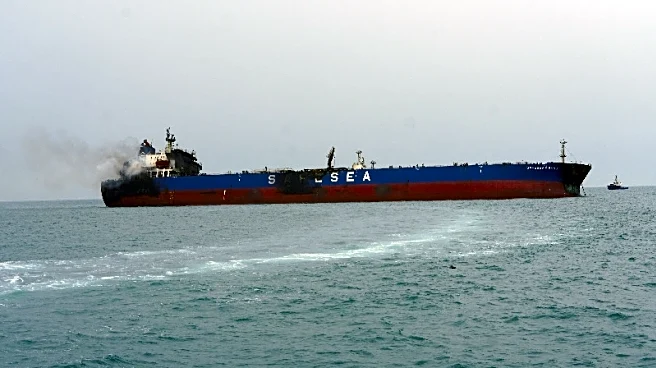
prices rise sharply, with Brent crude oil exceeding $100 per barrel. This increase is attributed to halted oil shipments in the Strait of Hormuz and strikes on Middle Eastern oil facilities. While U.S. airlines have not yet increased fares, analysts warn that domestic flight prices may need to rise by at least 11% to offset fuel costs. Airlines like Qantas and Scandinavian Airlines have already announced fare hikes, and Air New Zealand plans to cancel 1,100 flights, affecting over 44,000 passengers.
Why It's Important?
The escalation of fuel prices due to geopolitical tensions poses a significant challenge for the airline industry, particularly in the U.S. where airlines have not hedged against fuel costs. The potential fare increases could impact consumer travel behavior, leading to reduced demand and financial strain on airlines. This situation underscores the vulnerability of the aviation sector to external shocks and the importance of strategic planning and risk management. The broader economic implications include potential inflationary pressures as transportation costs rise, affecting various sectors reliant on air travel and logistics.
What's Next?
As the conflict continues, airlines will need to make strategic decisions regarding fare adjustments and flight schedules. The industry may see increased consolidation and collaboration as carriers seek to mitigate financial risks. Travelers are advised to book flights early to avoid potential fare hikes. The situation also calls for increased dialogue between governments and industry stakeholders to address the challenges posed by geopolitical tensions and ensure the stability of global air travel.