


What's Happening?
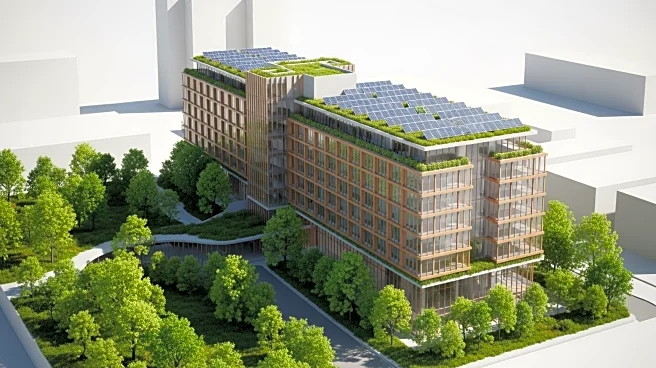
The hospitality industry is increasingly focusing on sustainable construction practices to reduce environmental impact and enhance guest experiences. Major hotel brands are integrating sustainability into their construction and renovation projects, emphasizing energy efficiency, waste reduction, and the use of sustainable materials. Fairmont Hotels & Resorts, for example, is committed to preserving the heritage of historic hotels while updating them with modern amenities. This approach not only honors the distinctiveness of these properties but also embraces sustainability as a core value. The industry is also seeing a trend towards biophilic design, which incorporates natural elements to promote health and wellness. Additionally, there is a growing
emphasis on creating flexible, multifunctional spaces to cater to diverse guest needs, including remote workers and wellness-focused travelers.
Why It's Important?
Sustainable construction in the hospitality industry is crucial for reducing the sector's environmental footprint and aligning with global sustainability goals. By adopting green practices, hotels can improve their brand value and attract environmentally conscious consumers. This shift also offers significant long-term savings through energy efficiency and waste reduction. As the industry recovers from pandemic disruptions, sustainable construction provides a competitive edge by enhancing guest experiences and meeting the increasing demand for eco-friendly accommodations. Furthermore, the integration of technology for contactless services and smart features aligns with the evolving expectations of modern travelers, ensuring that hotels remain relevant and appealing.
What's Next?
The hospitality industry is expected to continue its focus on sustainability, with more hotels pursuing environmentally conscious certifications such as LEED. This will involve strategic investments in renovations that honor historical integrity while incorporating modern updates. The trend towards sustainable construction is likely to accelerate as hotels seek to differentiate themselves in a competitive market. Additionally, the development of extended-stay hotels and the repurposing of historical buildings into unique hospitality spaces will continue to grow. As the industry embraces these changes, collaboration with local, state, and federal preservation bodies will be essential to ensure that renovations respect historical significance while meeting contemporary standards.
Beyond the Headlines
The move towards sustainable construction in the hospitality industry reflects a broader cultural shift towards environmental responsibility. This trend not only impacts the way hotels are built and operated but also influences consumer behavior and expectations. As more travelers prioritize sustainability, hotels that fail to adapt may struggle to compete. Moreover, the emphasis on preserving historical properties highlights the importance of cultural heritage in modern hospitality. By balancing old and new, the industry can create spaces that are not only environmentally friendly but also rich in history and character, offering guests a unique and meaningful experience.