



What's Happening?
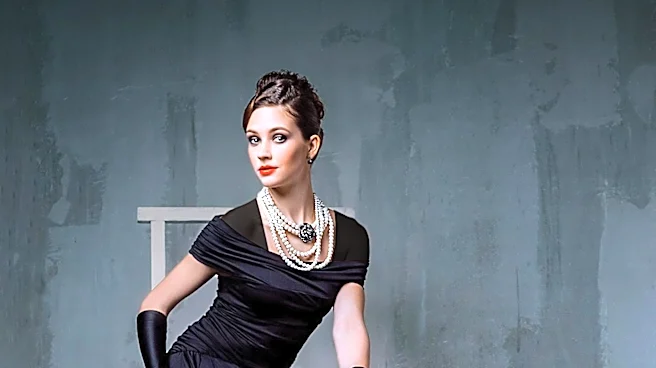
Fashion designers are increasingly advocating for black dresses as a suitable choice for wedding guests, challenging the traditional belief that black is inappropriate for such occasions. The shift in perception is highlighted by the versatility and elegance
that black dresses offer, making them a practical investment for wedding attendees. Designers like Carolina Herrera and Anine Bing are creating black dresses that cater to various wedding settings, from garden ceremonies to city venues. These dresses are designed to be elegant yet understated, ensuring they do not overshadow the bride while offering a modern and polished look. The trend reflects a broader acceptance of black as a color that can be both festive and formal, suitable for a range of wedding themes and dress codes.
Why It's Important?
The acceptance of black dresses for wedding guests signifies a shift in fashion norms and cultural perceptions. This change allows for greater flexibility and personal expression in wedding attire, moving away from rigid color restrictions. For the fashion industry, it opens up new design opportunities and markets, as designers can now cater to a broader audience seeking versatile and timeless pieces. Economically, it encourages consumers to invest in high-quality black dresses that can be worn on multiple occasions, promoting sustainability through repeat wear. This trend also reflects a modern approach to weddings, where individuality and personal style are increasingly valued over traditional conventions.
What's Next?
As the trend of wearing black to weddings gains traction, it is likely that more designers will incorporate black dresses into their collections, offering a wider range of styles and price points. Wedding planners and venues may also adapt to this trend by creating themes and settings that complement the elegance of black attire. Additionally, fashion retailers might see an increase in demand for black dresses, prompting them to expand their offerings. This could lead to a broader acceptance of other non-traditional colors and styles in wedding attire, further diversifying the market and challenging conventional wedding norms.
Beyond the Headlines
The embrace of black dresses for weddings could have deeper cultural implications, reflecting a shift towards more inclusive and diverse expressions of celebration. It challenges the notion of weddings as strictly traditional events, allowing for more personalized and meaningful ceremonies. This trend may also influence other aspects of wedding planning, such as decor and themes, encouraging a more modern and individualized approach. Furthermore, it highlights the evolving role of fashion in society, where clothing choices are increasingly seen as a form of personal expression and identity.