



What's Happening?
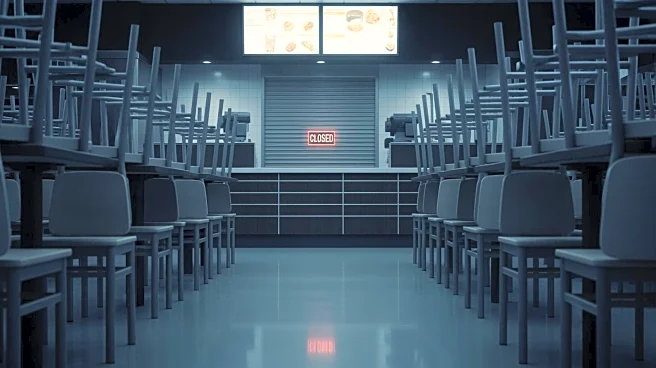
Wendy's, a prominent fast-food chain, has announced plans to close approximately 360 of its restaurants nationwide during the first half of 2026. This decision follows the closure of 240 locations in 2024 and 28 more in the fourth quarter of 2025. The closures are part of a strategic move to focus on more profitable locations, as explained by Ken Cook, Wendy's acting CEO, during an investor earnings call. The company currently operates 23 locations in New Hampshire, including cities such as Concord, Londonderry, and Manchester, which may be affected by these closures. Despite the closures, Wendy's has reported positive customer feedback on new menu items introduced last year, such as chicken tenders and an upgraded sauce lineup.
Why It's Important?
The closure of
hundreds of Wendy's locations could have significant implications for the fast-food industry and local economies. For franchisees, the strategy aims to enhance profitability by concentrating resources on better-performing locations. However, this could lead to job losses and reduced economic activity in areas where stores are shuttered. The closures also reflect broader trends in the fast-food sector, where companies are increasingly focusing on menu innovation and digital marketing to attract customers. Wendy's plans to continue this trend by prioritizing new menu developments and enhancing its marketing strategies, which could influence competitive dynamics in the industry.
What's Next?
Wendy's plans to focus on meaningful innovation in its menu offerings, particularly in its hamburger and chicken categories, throughout 2026. The company aims to execute these launches with excellence to reinforce its brand's quality positioning. Additionally, Wendy's intends to optimize its marketing efforts by increasing spending on digital, social, and streaming platforms. These initiatives are expected to help the company maintain customer engagement and drive growth despite the planned closures. The impact of these strategies on Wendy's market position and financial performance will be closely watched by industry analysts and stakeholders.