







What's Happening?
The U.S. economy is experiencing a split-screen scenario where the artificial intelligence sector is booming, while middle-class Americans face economic challenges. In the first quarter, AI investments significantly contributed to a 2% annualized growth
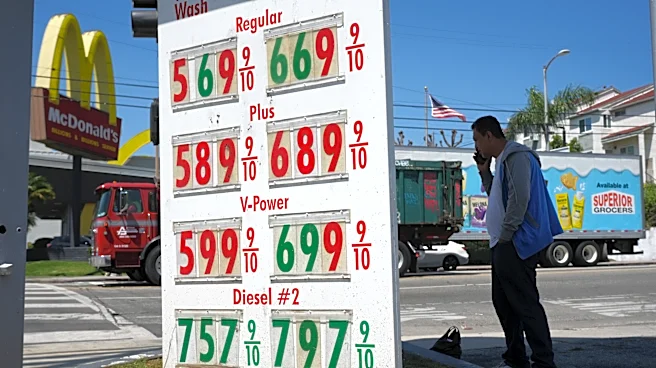
in GDP, despite inflationary pressures from geopolitical conflicts. Consumer spending rose by 1.6%, aided by tax refunds and limited layoffs. However, rising oil prices and transportation costs are straining household budgets, leading to reduced savings and increased vulnerability. Major tech companies are investing heavily in AI, with expectations to spend hundreds of billions this year. The economic outlook remains uncertain, largely dependent on developments in the Middle East and their impact on global supply chains.
Why It's Important?
The rapid growth of the AI sector highlights its potential to drive economic expansion, even as traditional consumer spending faces headwinds. This shift may lead to a more business-driven recovery, with tech investments playing a crucial role in sustaining economic momentum. However, the middle class, which typically fuels consumer-led growth, is under pressure from rising living costs. This could result in decreased discretionary spending, affecting various industries reliant on consumer demand. The situation underscores the need for balanced economic policies that address both technological advancement and the financial well-being of average Americans.
What's Next?
As AI continues to expand, its role in the economy is expected to grow, potentially offsetting some of the negative impacts of inflation and geopolitical instability. However, the sustainability of this growth is uncertain, with experts cautioning that the AI boom may not last indefinitely. Policymakers and businesses will need to monitor consumer sentiment and spending patterns closely, as these will influence economic stability. Additionally, ongoing geopolitical tensions could further disrupt supply chains, necessitating strategic adjustments by companies and governments to mitigate risks.