






What's Happening?
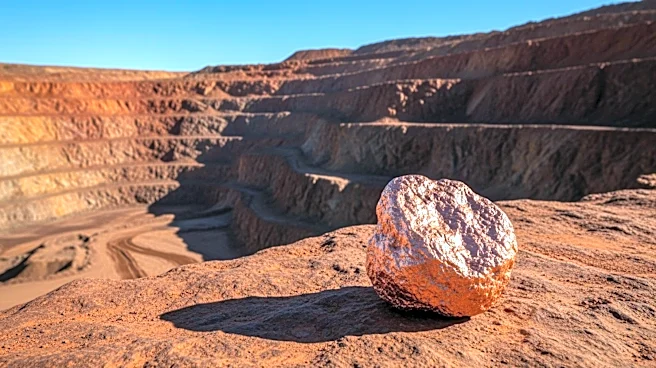
BHP Group, the world's largest mining company by market capitalization, is strategically positioning itself to capitalize on global megatrends such as decarbonization and electrification. The company is focusing on copper, a critical material for renewable
energy and electric vehicles, projecting a significant increase in global demand. BHP's copper production is expected to reach up to 2 million tons in the current fiscal year. Additionally, BHP is investing in potash production, aiming to diversify its revenue streams. Meanwhile, Agnico Eagle Mines, primarily a gold producer, is leveraging its low-cost production advantage. The company operates in low-risk regions like Canada, Australia, and Finland, and benefits from renewable energy sources, which help mitigate rising fuel costs. Agnico's strategic positioning allows it to maintain competitive operating margins despite global economic challenges.
Why It's Important?
The strategic moves by BHP Group and Agnico Eagle Mines highlight the mining industry's critical role in supporting global economic and technological advancements. BHP's focus on copper aligns with the increasing demand for materials essential to the digital and green revolutions, potentially boosting its financial performance and market position. Agnico's emphasis on cost-effective gold production in stable regions provides a hedge against geopolitical and economic uncertainties, offering investors a reliable option in the precious metals market. These developments underscore the importance of strategic resource management and innovation in maintaining competitive advantages in the mining sector.
What's Next?
BHP's continued investment in copper and potash production is likely to enhance its market leadership and revenue diversification. The company's focus on sustainable mining practices may attract environmentally conscious investors. Agnico Eagle Mines' reliance on renewable energy and low-cost operations positions it well to withstand economic fluctuations and fuel price volatility. Both companies are expected to continue adapting to global trends, potentially influencing industry standards and investor expectations. Stakeholders will be watching how these strategies impact long-term profitability and market dynamics.