





What's Happening?
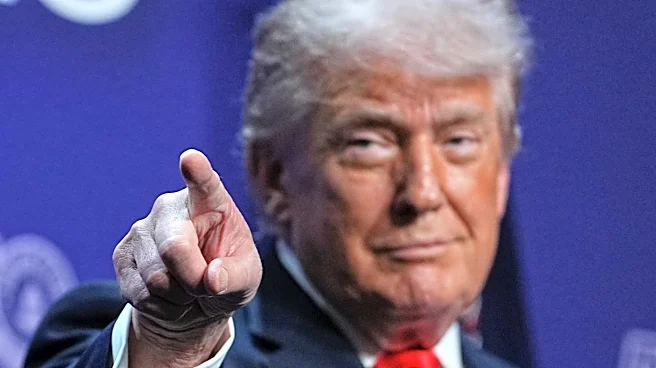
The U.S. is navigating a complex trade landscape, balancing domestic manufacturing goals with global partnerships. President Trump's tariffs, aimed at reviving American manufacturing, have led to a diversification of supply chains, notably benefiting
Mexico as a strategic manufacturing hub. Despite the push for 'Made in America,' the U.S. continues to rely on global trade, especially with China, for critical minerals. The strategy includes 'friend shoring' with trusted allies and recognizing the necessity of trade with China. This approach aims to enhance resilience by diversifying supply sources rather than isolating U.S. manufacturing.
Why It's Important?
The U.S. trade strategy has significant implications for global economic dynamics and domestic industries. By diversifying supply chains, the U.S. aims to reduce dependency on China, particularly in technology and critical minerals. This strategy could bolster U.S. economic security and innovation, but it also highlights the challenges of reshoring manufacturing entirely. The reliance on global trade partners underscores the interconnected nature of modern manufacturing and the need for a balanced approach to tariffs and trade policies. The outcome of these strategies will impact U.S. competitiveness and economic resilience.
What's Next?
Future developments may include further negotiations with China to de-escalate tariffs and enhance trade relations. The U.S. might also continue to strengthen ties with Mexico and other allies to secure supply chains. The upcoming meeting between President Trump and Chinese President Xi Jinping could be pivotal in shaping the future of U.S.-China trade relations. Additionally, the U.S. may need to address workforce challenges to support domestic manufacturing growth, potentially through immigration policy reforms to attract skilled talent.