



What's Happening?
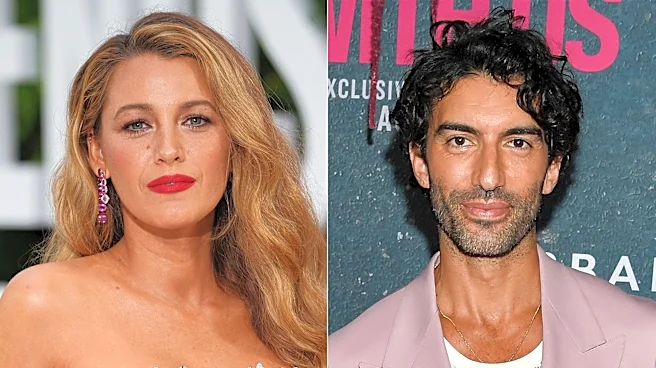
A U.S. District Court has significantly narrowed the scope of Blake Lively's lawsuit against Justin Baldoni, the director of 'It Ends With Us'. The court dismissed most of Lively's claims, including those for defamation, conspiracy, and sexual harassment.
However, the trial will proceed with allegations of breach of contract and retaliation by Baldoni's production company, Wayfarer, and its public relations firm. Lively alleges that Baldoni orchestrated a retaliatory campaign against her after she publicized allegations of sexual harassment on the film's set. The trial, set for May, will feature Lively's testimony and focus on whether Baldoni's actions constituted retaliation.
Why It's Important?
This case highlights the ongoing challenges and complexities surrounding allegations of harassment in the entertainment industry. The court's decision to focus on retaliation claims underscores the legal boundaries of defending against harassment accusations. The outcome could influence how public relations strategies are employed in similar cases, potentially affecting the reputations and careers of those involved. For the entertainment industry, this trial may set precedents on how harassment claims are handled and the extent to which individuals and companies can defend themselves without crossing into retaliatory actions.
What's Next?
The trial is scheduled to begin in May, where both Lively and Baldoni will present their narratives. The court's focus on retaliation claims suggests that the jury will examine the actions taken by Baldoni and his team following the harassment allegations. The entertainment industry and legal observers will be watching closely, as the trial's outcome could impact future cases involving similar allegations. Stakeholders, including other filmmakers and actors, may need to reassess their strategies for handling public accusations and the potential legal ramifications of their responses.