







What's Happening?
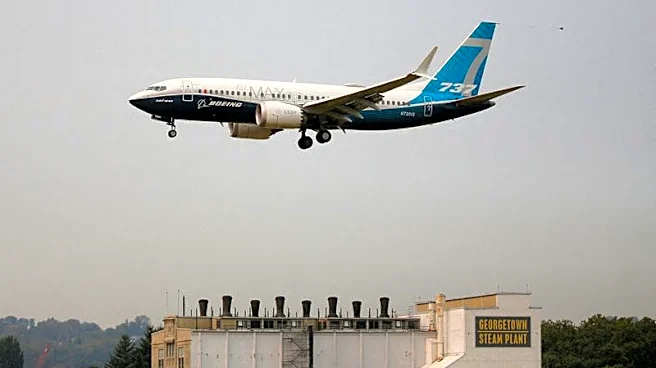
WestJet, a Calgary-based airline, is accelerating the retirement of its older Boeing 737-700 aircraft in response to rising fuel costs. The airline plans to replace these older models with new Boeing 737 Max 8s. WestJet CEO Alexis von Hoensbroech announced
that the airline will take delivery of 17 new 737-8s and one 737 Max 10 in 2026. This decision comes after a challenging period marked by geopolitical tensions between the U.S. and Canada, which led to a significant drop in leisure travel demand. Additionally, fuel shortages in Cuba have forced the airline to suspend flights to the country. The fleet renewal is part of WestJet's strategy to modernize its operations and improve resilience against fluctuating fuel prices.
Why It's Important?
The decision to retire older aircraft and invest in newer models is significant for WestJet as it seeks to enhance operational efficiency and reduce fuel costs. The move is expected to position the airline better in the competitive aviation market by offering more fuel-efficient flights. This fleet modernization could also lead to improved environmental performance, aligning with global trends towards sustainability in aviation. For passengers, the introduction of newer aircraft may result in enhanced travel experiences. The broader impact on the aviation industry includes potential shifts in market dynamics as airlines adjust to economic pressures and environmental regulations.
What's Next?
WestJet's fleet renewal strategy will continue over the next few years, with plans to fully retire the 737-700s. The airline's future operations will depend on the successful certification of the new aircraft by the U.S. Federal Aviation Administration and Transport Canada. As WestJet positions itself as a potential launch operator for the 737-10, the timing of these certifications will be crucial. The airline's ability to adapt to fuel price fluctuations and geopolitical challenges will also influence its market position and financial performance.