





What's Happening?
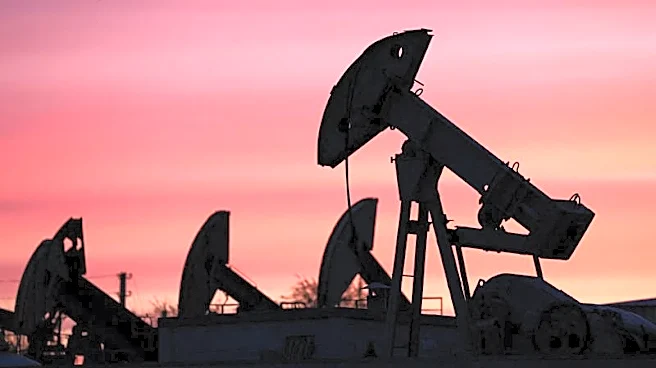
Goldman Sachs analysts have highlighted a growing concern over shortages in refined oil products, despite overall oil inventories remaining above critical levels. The shortages are particularly acute in jet fuel, petrochemical feedstocks like naphtha,
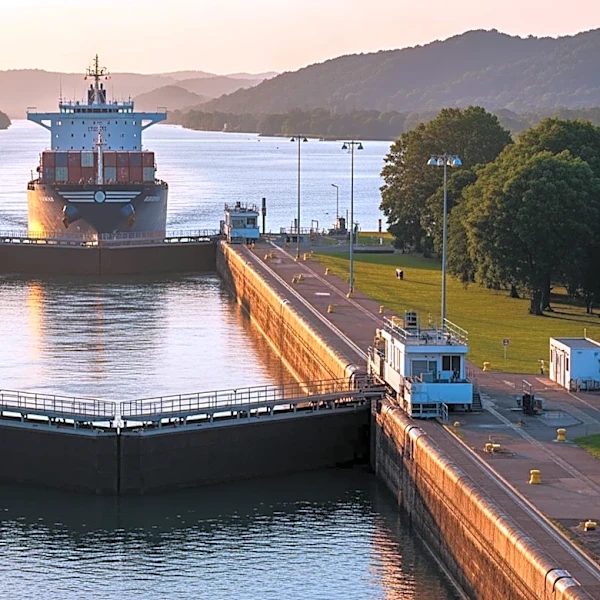
and liquefied petroleum gas, which are essential for various industrial applications. The disruptions stem from refining constraints, trade disruptions, and export restrictions following recent US and Israeli military actions in Iran. These actions have led to significant supply chain disruptions through the Strait of Hormuz, a critical energy shipping route. As a result, regions such as South Africa, India, Thailand, and Taiwan are experiencing heightened vulnerability to these shortages. The situation is exacerbated by the inability to quickly convert available crude oil into usable fuel, leading to bottlenecks and regional imbalances.
Why It's Important?
The emerging shortages in refined oil products have significant implications for global industries and economies. The aviation sector is particularly affected, with major airlines canceling flights due to tightening jet fuel supplies. This could lead to increased travel costs and disruptions in global travel and trade. Additionally, the petrochemical industry, which relies on naphtha and liquefied petroleum gas, may face production challenges, impacting the supply of plastics and industrial chemicals. The situation underscores the interconnectedness of global energy markets and the potential for geopolitical events to disrupt supply chains, leading to economic instability and increased costs for consumers and businesses alike.
What's Next?
If the disruptions in the Strait of Hormuz persist, the shortages in refined products could worsen, leading to further economic impacts. Stakeholders, including governments and industries, may need to explore alternative supply routes or increase domestic production capabilities to mitigate the effects. Additionally, there may be increased pressure on international bodies to mediate and resolve geopolitical tensions to stabilize energy markets. Monitoring the situation closely will be crucial for businesses and policymakers to adapt to the evolving energy landscape.