







What's Happening?
Oil prices have risen by over 3% following military exchanges between the U.S. and Iran. The U.S. conducted self-defense strikes on Iranian radar and drone sites in response to aggressive actions by Iran, including the downing of a U.S. drone. In retaliation,
Iran targeted a U.S. airbase. The conflict has heightened concerns over the security of the Strait of Hormuz, a critical shipping route for global oil supply. The situation has led to increased volatility in oil markets, with Brent and WTI crude prices experiencing significant gains.
Why It's Important?
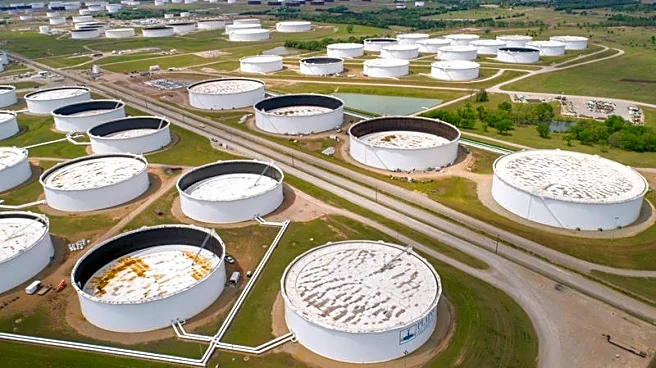
The Strait of Hormuz is a strategic chokepoint for global oil and gas flows, and any disruption can have significant economic implications. The recent military exchanges have exacerbated fears of supply disruptions, contributing to rising oil prices. This development is particularly concerning for global markets already facing economic challenges. The situation underscores the interconnectedness of geopolitical events and energy markets, highlighting the potential for regional conflicts to impact global economic stability.
What's Next?
The ongoing conflict between the U.S. and Iran poses risks of further escalation, which could lead to more significant disruptions in oil supply. Diplomatic efforts are crucial to de-escalate tensions and ensure the security of the Strait of Hormuz. The international community will likely continue to monitor the situation closely, given its implications for global energy markets. Any resolution to the conflict will need to address underlying issues, such as Iran's nuclear program and regional influence, to achieve lasting stability.