





What's Happening?
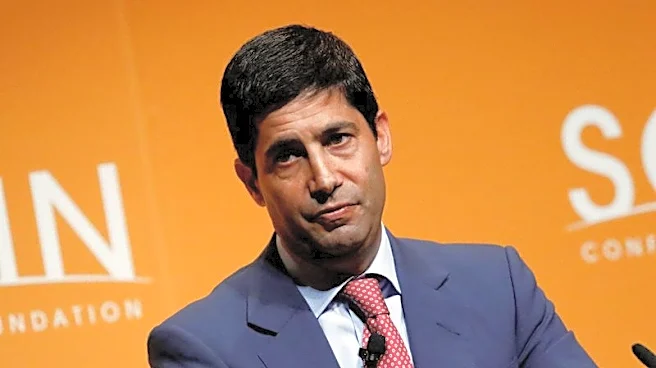
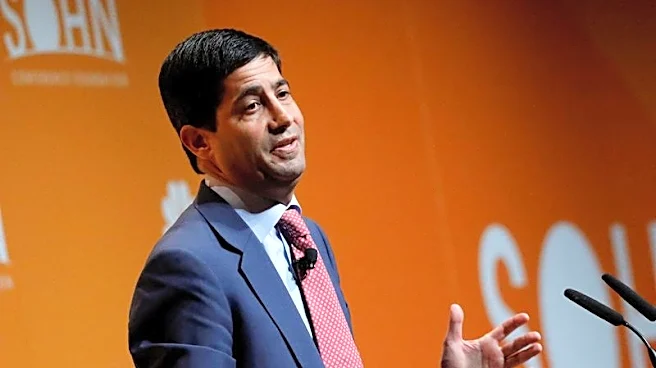
Kevin Warsh, nominated by President Trump for the position of Federal Reserve Chair, is facing a challenging confirmation process. Warsh, who previously served as a Fed Governor, is known for his hawkish stance on monetary policy. His nomination comes
at a time when President Trump is advocating for lower interest rates, a position Warsh is expected to address during his confirmation hearing. Warsh has proposed that the Federal Reserve should consider reducing its bond holdings, particularly Mortgage-Backed Securities (MBS), to facilitate rate cuts. This approach aligns with his belief that the Fed's balance sheet remains excessively large due to past crises. Treasury Secretary Scott Bessent has highlighted the importance of the 10-year Treasury yield, which influences mortgage rates and corporate borrowing costs, suggesting a cautious approach to rate cuts. Warsh's confirmation hearing will likely explore his alignment with the President's views and his strategies for managing the Fed's balance sheet.
Why It's Important?
The confirmation of Kevin Warsh as Federal Reserve Chair could significantly impact U.S. monetary policy, particularly regarding interest rates. Warsh's approach to reducing the Fed's bond holdings and his openness to rate cuts could influence borrowing costs and economic growth. His nomination reflects President Trump's desire for lower interest rates, which could stimulate economic activity but also risk unanchored inflation expectations. The outcome of Warsh's confirmation and his subsequent policy decisions could affect various economic stakeholders, including homeowners, businesses, and investors. The broader economic context, including the ongoing conflict in Iran and its impact on fuel prices, adds complexity to the Fed's decision-making process. Warsh's views on technological advancements and productivity growth could also shape long-term economic forecasts and inflation expectations.
What's Next?
Kevin Warsh's confirmation hearing will be a critical step in determining his future role as Federal Reserve Chair. If confirmed, Warsh will need to navigate the delicate balance between supporting economic growth through lower interest rates and maintaining market credibility. His strategies for managing the Fed's balance sheet, particularly the sale of MBS, will be closely scrutinized. The resolution of the Iran conflict and its impact on fuel prices could influence Warsh's stance on rate cuts. Additionally, Warsh's emphasis on technological investment and productivity growth may lead to policy shifts aimed at fostering economic expansion without triggering inflation. The financial markets and economic stakeholders will be attentive to Warsh's testimony and any signals regarding future monetary policy directions.