




What's Happening?
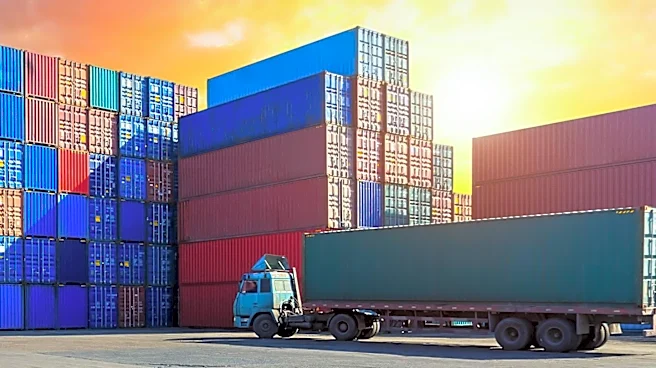
The U.S. government, under President Trump, has proposed new tariffs on imports from 60 countries, including major trading partners like Canada, Mexico, and the European Union. The tariffs, ranging from 10% to 12.5%, are a response to findings from a forced
labor investigation. The administration aims to replace revenue lost after the Supreme Court struck down previous tariffs. The proposed tariffs are part of a broader strategy to address unfair trade practices and are expected to be implemented after a public comment period.
Why It's Important?
These tariffs are crucial as they reflect the administration's commitment to addressing forced labor in global supply chains, a significant human rights issue. The tariffs could disrupt international trade, affecting global supply chains and potentially leading to higher costs for U.S. consumers. The move has sparked criticism from affected countries, which argue that the U.S. is using forced labor allegations as a pretext for protectionist policies. The tariffs could also impact diplomatic relations and economic cooperation with key allies.
What's Next?
The proposed tariffs will undergo a public comment period and hearings before being finalized. The administration is also investigating other trade practices, which could lead to additional tariffs. The outcome of these measures will depend on international responses and potential legal challenges. The administration's trade policy will continue to evolve as it seeks to balance domestic economic interests with international obligations.