





What's Happening?
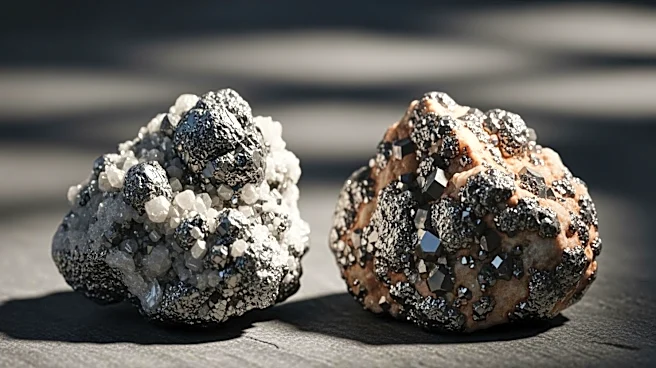
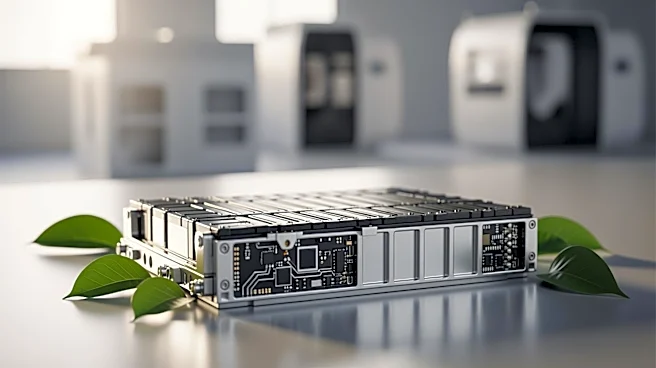
The demand for critical battery metals such as nickel, cobalt, and lithium is increasing due to the rise in renewable energy storage and electric vehicles. This surge has put pressure on the supply chain, which is already strained by limited refining
capacity, environmental concerns, geopolitical risks, and resource scarcity. The lithium supply chain, in particular, is vulnerable due to its reliance on China for refining and processing, despite raw lithium being extracted from diverse locations like Argentina, Chile, and Australia. Sustainable extraction technologies and recycling initiatives are being explored to address these challenges.
Why It's Important?
The supply chain issues for battery metals have significant implications for the global energy storage and electric vehicle industries. The concentration of refining capacity in China poses a risk to the stability of the supply chain, potentially affecting global battery production. Addressing these vulnerabilities is crucial for ensuring a sustainable and resilient supply of battery metals, which are essential for the transition to renewable energy and electric mobility. The development of alternative battery technologies and the diversification of supply chains are necessary to mitigate these risks.
What's Next?
Efforts to diversify the supply chain and reduce dependency on China are likely to continue. This includes expanding refining and processing capabilities in other countries and investing in sustainable extraction technologies. Additionally, government regulations and incentives may play a role in promoting recycling initiatives and alternative battery technologies. The industry will need to balance the demand for battery metals with environmental and geopolitical considerations to ensure a stable and sustainable supply.