




What's Happening?
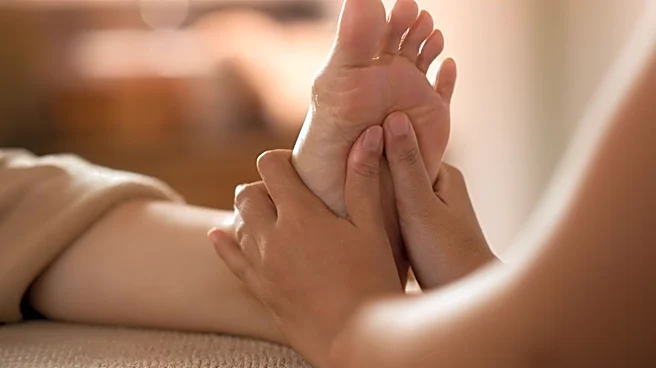
Lymphatic drainage is a therapeutic technique used to stimulate the movement of lymph fluid through the lymphatic system, which can help reduce swelling and improve immune function. It is often employed in the management of conditions like lipedema, where
lymphatic drainage massage can assist in controlling symptoms. Additionally, lymphatic drainage is beneficial in post-surgical recovery to alleviate swelling and promote healing. The technique involves gentle, rhythmic massage movements that encourage the flow of lymph fluid, which can be particularly effective when combined with compression garments and specific exercises.
Why It's Important?
Lipedema is a chronic condition affecting an estimated 10% of women, characterized by abnormal fat accumulation in the lower body, causing pain and swelling. Despite its prevalence, lipedema is often misunderstood and misdiagnosed, leading to inadequate treatment. Lymphatic drainage offers a non-invasive option to manage symptoms, potentially improving quality of life for those affected. The technique's ability to reduce swelling and promote healing is crucial, especially since lipedema is resistant to diet and exercise. As awareness of the condition grows, lymphatic drainage could become a more widely recognized and utilized treatment, offering relief to many who suffer from this debilitating condition.
What's Next?
As awareness of lipedema increases, there may be a push for more research into effective treatments, including lymphatic drainage. Insurance coverage for such therapies could also become a topic of discussion, as many patients currently face challenges in getting treatments covered. Additionally, the medical community may work towards better education and training to improve diagnosis and management of lipedema, potentially leading to earlier intervention and better outcomes for patients.
Beyond the Headlines
The growing recognition of lipedema and the benefits of lymphatic drainage highlight the need for a broader understanding of women's health issues that are often overlooked. This development could lead to increased advocacy and support for research into other underdiagnosed conditions, ultimately improving healthcare outcomes for women. Furthermore, the integration of alternative therapies like lymphatic drainage into mainstream medical practice could pave the way for a more holistic approach to healthcare.