






What's Happening?
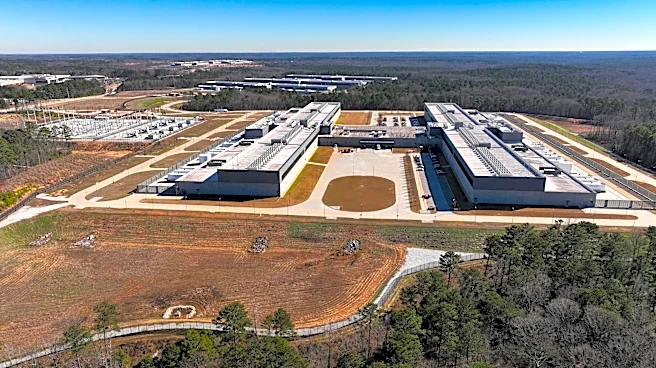
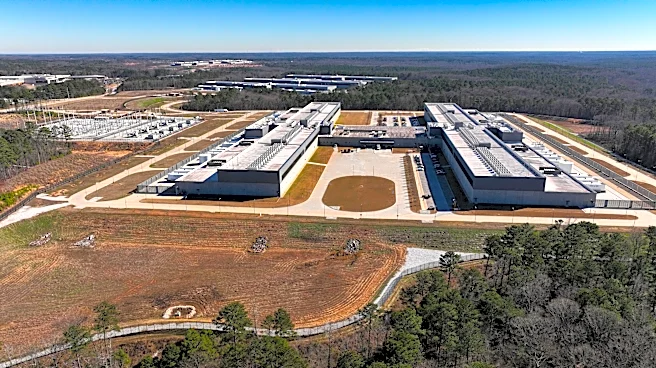
According to a report by the United Nations University Institute for Water, Environment and Health, data centers are projected to consume twice as much power and water by 2030 due to the increasing demand from artificial intelligence (AI). In 2025, data centers globally
consumed 448 terawatt-hours of electricity, surpassing the total consumption of Saudi Arabia, with AI accounting for a fifth of this usage. Additionally, these centers used 4.5 trillion liters of water, enough to meet the needs of over 600 million people in Sub-Saharan Africa, and generated 189 million tons of carbon dioxide emissions. The report highlights that AI is not just software but also involves significant physical infrastructure, including data centers, electricity generation, and cooling systems. By 2030, annual power consumption from data centers is expected to reach 945 terawatt-hours, with AI contributing to 40% of this total. Water consumption is projected to rise to 9.3 trillion liters, and CO2 emissions are anticipated to increase to 399 million tons.
Why It's Important?
The expansion of AI and data centers poses significant environmental challenges, particularly in terms of resource consumption and emissions. The projected increase in power and water usage could exacerbate existing resource pressures, especially in regions already facing scarcity. This growth underscores the need for sustainable planning and infrastructure development to mitigate environmental impacts. The report suggests that while AI can enhance efficiency by optimizing power grids and reducing waste, the overall demand for electricity and water is likely to rise as countries and corporations expand their data center capacities. This situation highlights the importance of balancing technological advancement with environmental stewardship to ensure sustainable growth.
What's Next?
The report calls for responsible planning to address the environmental impacts of data center expansion before infrastructure and dependencies become entrenched. Governments and corporations are urged to consider the environmental costs of AI and implement strategies to manage resource consumption effectively. This may involve investing in renewable energy sources, improving data center efficiency, and adopting sustainable practices. As the demand for AI continues to grow, stakeholders will need to collaborate to develop policies and technologies that support sustainable development while meeting the increasing needs of the digital economy.