






What's Happening?
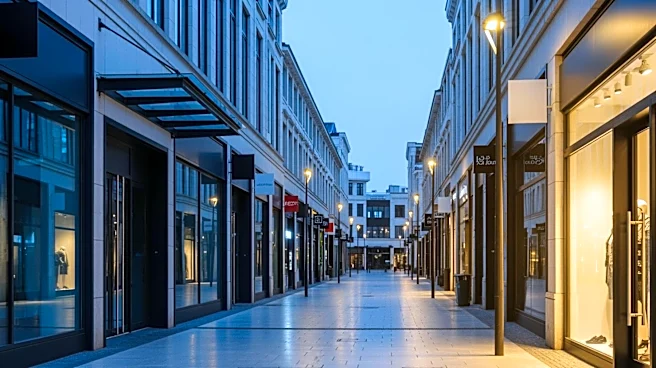
Retailers in Hong Kong are increasingly returning to street-level shops as rents have eased, making these locations more attractive. This shift is driven by a focus on foot traffic and visibility, which are crucial for food and daily-need retail sectors.
Kathy Lee from Colliers International Group notes that both local and overseas shoppers are now more value-driven and experience-led, prompting brands to prioritize high-visibility locations. Lawrence Wan from CBRE Hong Kong highlights that global luxury brands are consolidating into fewer, larger stores in prime districts to enhance customer interaction. The trend is supported by a significant drop in street-level rents, which are now about 60% lower than their peak in 2014. This has made high-visibility locations more accessible, encouraging brands that previously favored upstairs units to move back to street-level spaces.
Why It's Important?
The return of retailers to street-level shops in Hong Kong signifies a strategic shift in retail location preferences, driven by the need for greater customer engagement and visibility. This trend could influence retail strategies globally, as brands seek to enhance their physical presence to complement online sales. The move also reflects broader economic conditions, where lower rents provide an opportunity for retailers to optimize their operations and potentially increase sales. This shift could lead to a revitalization of high-street shopping areas, boosting local economies and providing more dynamic shopping experiences for consumers. Additionally, the use of flexible leasing options like pop-ups allows retailers to test new concepts and adapt to market changes without long-term commitments.
What's Next?
As retailers continue to adapt to changing consumer preferences and economic conditions, the trend of moving back to street-level shops is likely to persist. This could lead to increased competition for prime retail spaces, potentially driving up rents in the most desirable locations. Retailers may also continue to explore flexible leasing options to manage risks and capitalize on seasonal opportunities. The focus on customer experience and engagement is expected to remain a key driver of retail strategies, influencing store design and marketing approaches. Additionally, the ongoing recovery of high-street rents and reduction in vacancy rates suggest a gradual stabilization of the retail market in Hong Kong, which could have positive implications for the broader retail sector.