


What's Happening?
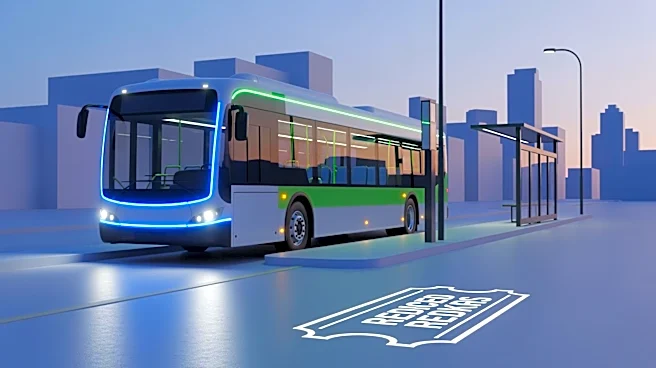
The New York/New Jersey host committee has announced a significant reduction in bus fares for fans attending the 2026 FIFA World Cup. The round-trip fares from Manhattan to MetLife Stadium in East Rutherford, New Jersey, have been slashed from $80 to $20
for ticket holders. This decision comes as part of an effort to provide affordable transportation options for the eight World Cup games scheduled between June 13 and July 19, 2026. The capacity for these bus services has been increased from 10,000 to 18,000 seats by incorporating yellow school buses. This initiative is supported by a $6 million investment from New York Governor Kathy Hochul, which also allocates 20% of bus tickets for state residents who have purchased match tickets. The buses will operate from three Manhattan locations, including the Port Authority Bus Terminal, to accommodate the increased demand.
Why It's Important?
This fare reduction is crucial for ensuring accessibility and affordability for fans attending the World Cup games, particularly for residents of the tri-state area. By lowering transportation costs, the host committee aims to enhance the overall experience for attendees and encourage greater participation in the event. The initiative also reflects a broader commitment to making large-scale events more inclusive and accessible to a diverse audience. Additionally, the involvement of Governor Hochul and the collaboration with Highland Fleets to secure additional buses highlight the importance of public-private partnerships in addressing logistical challenges associated with major international events. This move could set a precedent for future events, emphasizing the need for affordable transportation solutions.
What's Next?
As the World Cup approaches, further logistical arrangements and promotional efforts are expected to ensure smooth transportation for attendees. The host committee, along with local government officials, may continue to explore additional measures to enhance the fan experience, such as organizing more free or discounted events. Stakeholders, including local businesses and community groups, might also engage in initiatives to capitalize on the influx of visitors, potentially boosting the local economy. Monitoring the effectiveness of the transportation plan during the event will be crucial for assessing its success and identifying areas for improvement in future events.