






What's Happening?
USDA Chief Economist Justin Benavidez has highlighted the potential for a cattle herd rebuild in the U.S., based on cyclical trends observed over the past century. Speaking at Washington Watch, Benavidez noted early indicators of herd expansion, though
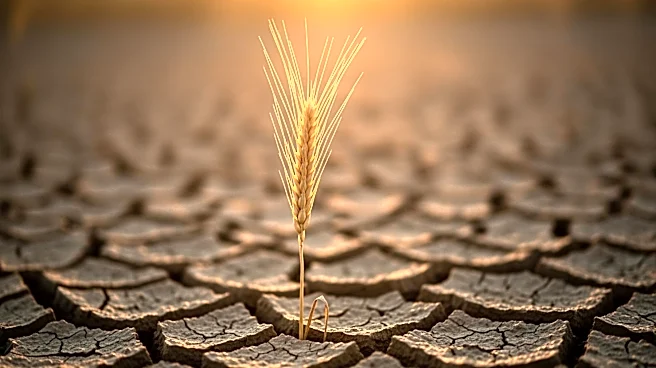
he acknowledged differing opinions on heifer retainment. The U.S. cattle herd is currently at its lowest since 1961, exacerbated by prolonged droughts in key beef-producing states like Texas. Despite steady beef consumption, high demand from meatpackers and consumers has kept prices elevated.
Why It's Important?
The potential rebuild of the cattle herd could have significant implications for the U.S. beef industry. A gradual increase in cattle inventory may lead to a decrease in beef prices over time, affecting profitability for producers. The cyclical nature of the cattle industry underscores the importance of strategic planning and market adaptation. This development is crucial for stakeholders, including ranchers, meatpackers, and consumers, as it could influence supply chain dynamics and pricing strategies.
What's Next?
As the cattle cycle progresses, industry participants will be monitoring market signals and USDA data for further confirmation of herd expansion. The potential for increased cattle numbers may prompt adjustments in production and marketing strategies. Policymakers and industry leaders will need to consider the impact of environmental factors, such as drought, on herd management and sustainability. Ongoing analysis and adaptation will be key to navigating the evolving landscape of the U.S. cattle industry.