

What's Happening?
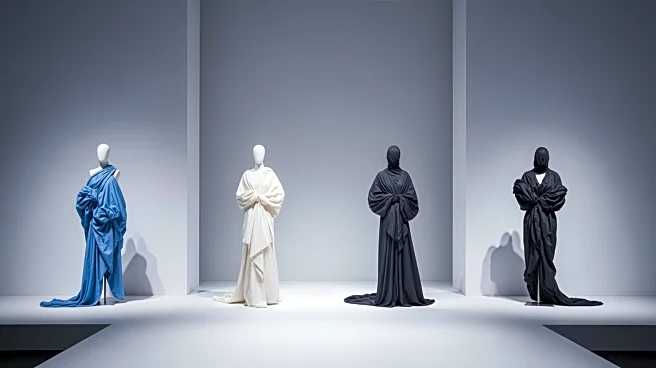
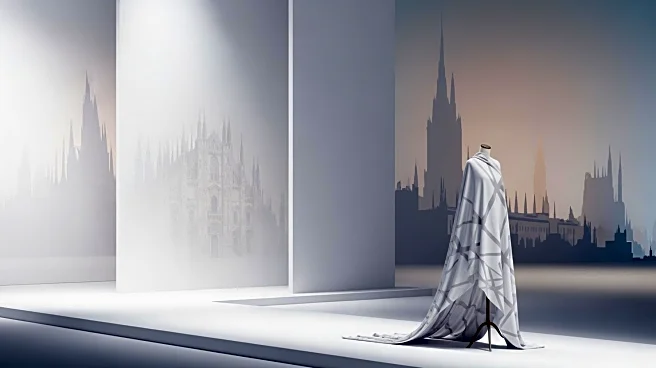
Demna, the newly appointed creative director of Gucci, showcased his first runway collection for the brand at Milan Fashion Week. The event, held at Milan’s Palazzo Delle Scintille, marked a significant moment for Gucci as it seeks to rejuvenate its brand image
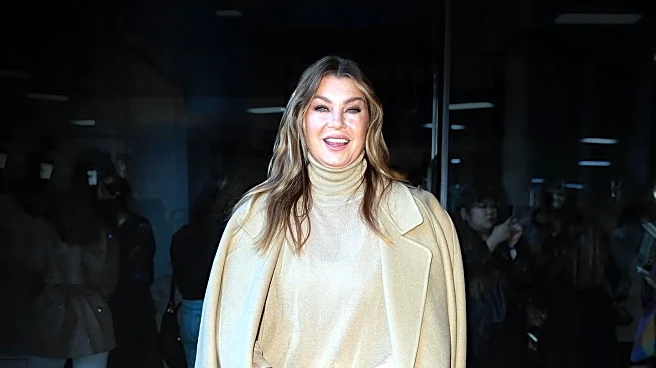
following a period of declining sales. Demna, known for his previous work at Balenciaga and Vetements, has been tasked with bringing a fresh creative vision to Gucci. His debut collection featured strong nods to the Tom Ford-era Gucci, with a blend of 2000s aesthetics and Demna's signature style. The show was attended by high-profile celebrities, including Kate Moss and Demi Moore, highlighting the brand's continued influence in the fashion world.
Why It's Important?
Gucci's decision to appoint Demna as its creative director comes at a critical time for the brand. Following the departure of Alessandro Michele in 2022, Gucci has experienced a significant drop in sales, from over €10 billion in 2022 to around €6 billion in 2025. As Kering's largest brand, Gucci's performance is crucial to the group's overall success. Demna's appointment is seen as a strategic move to inject new life into the brand and reverse its financial downturn. His ability to blend historical Gucci elements with contemporary fashion trends could attract a new generation of consumers, potentially stabilizing and boosting Gucci's market position.
What's Next?
Following the successful debut of his collection, Demna is expected to continue exploring Gucci's archives to develop future collections that resonate with both traditional and modern audiences. The fashion industry will be closely watching how his creative direction impacts Gucci's sales and brand perception. Additionally, Kering will likely monitor the brand's performance to assess the effectiveness of Demna's leadership in revitalizing Gucci's market presence.
Beyond the Headlines
Demna's approach to fashion, which emphasizes emotional and artistic expression, could signal a broader shift in the industry towards more personalized and narrative-driven collections. This could influence other luxury brands to adopt similar strategies, focusing on storytelling and emotional engagement with consumers. Furthermore, the integration of historical elements with modern design may inspire a trend of revisiting and reinterpreting past fashion eras.