



What's Happening?
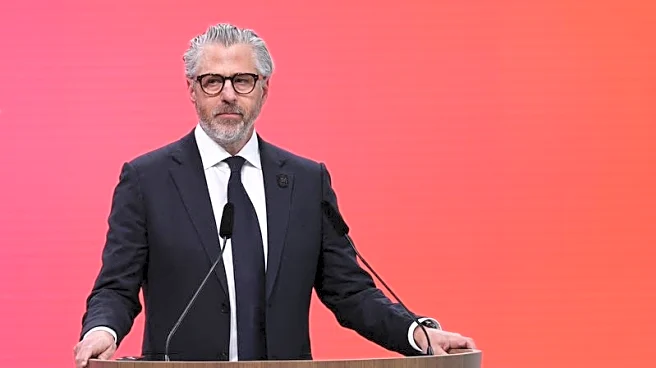
Casey Wasserman, the head of the Wasserman talent agency, has announced plans to sell his agency following the release of documents related to the Jeffrey Epstein case. According to The Wall Street Journal, Wasserman informed his staff of the decision through an internal memo, citing the controversy and recent departures of clients and executives as reasons for the sale. The fallout stems from newly unsealed materials that included email exchanges between Wasserman and Ghislaine Maxwell from 2003. Wasserman has stated that his interactions were limited and occurred before Maxwell's criminal activities were known. In his memo, Wasserman expressed regret over his past actions and apologized to his employees, acknowledging that his past mistakes
have caused discomfort. The agency has already seen a significant impact, with several high-profile clients, including musicians and athletes, leaving or planning to leave.
Why It's Important?
The decision to sell the Wasserman agency highlights the significant impact that associations with controversial figures like Jeffrey Epstein can have on business operations and reputations. The fallout from the Epstein case has led to a loss of trust and confidence among clients and partners, prompting them to distance themselves from any perceived connections. This situation underscores the broader implications for the entertainment and sports industries, where reputational risks can lead to substantial financial and operational consequences. The departure of high-profile clients from Wasserman's agency could lead to a reshaping of the talent representation landscape, as other agencies may seek to capitalize on the opportunity to attract these clients. Additionally, the case serves as a reminder of the long-lasting effects that past associations can have on current business dealings.
What's Next?
As Wasserman moves forward with the sale of his agency, the focus will likely shift to potential buyers and the future leadership of the company. Mike Watts, the current president of Wasserman, will assume day-to-day control of the business during this transition. The agency's ability to retain remaining clients and attract new ones will be crucial in maintaining its market position. Additionally, the entertainment and sports industries will be closely watching how other agencies respond to the opportunity to acquire talent and clients from Wasserman. The situation may also prompt other industry leaders to reassess their own associations and take proactive measures to mitigate reputational risks.