



What's Happening?
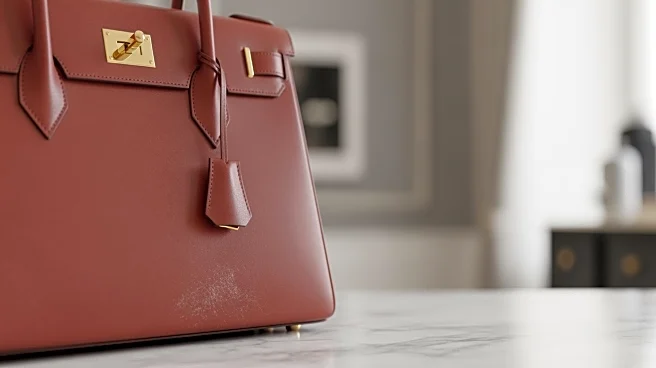
Recent reports have highlighted a growing concern over the declining quality of luxury fashion products, drawing comparisons to fast fashion. Influencer Wisdom Kaye shared his experience with Miu Miu, where items he purchased for $18,000 fell apart shortly after purchase. This incident, along with others, has sparked a broader discussion about the quality of high-end fashion goods. Miu Miu and other brands have been criticized for focusing more on branding and trends rather than durability. The Prada Group, which owns Miu Miu, stated that these were isolated incidents and not indicative of a widespread quality issue. However, the luxury fashion industry is facing scrutiny as consumers question the value of high-priced goods that do not meet
expected standards of craftsmanship.
Why It's Important?
The decline in quality among luxury fashion brands has significant implications for the industry. As consumers become more aware of these issues, they may begin to question the value of luxury goods, potentially leading to a shift in consumer behavior. This could impact the profitability of luxury brands, which rely heavily on their reputation for quality and exclusivity. The backlash also highlights a potential shift in consumer priorities, with a growing emphasis on durability and value for money. This trend could benefit mid-market brands that offer high-quality products at more accessible price points, challenging the dominance of traditional luxury brands.
What's Next?
Luxury brands may need to reassess their production processes and quality control measures to address consumer concerns. There could be increased pressure on these brands to demonstrate transparency in their manufacturing practices and to ensure that their products meet the high standards expected by consumers. Additionally, the industry might see a rise in new brands entering the market, offering high-quality products at lower prices, which could further disrupt the traditional luxury market. Brands that fail to adapt to these changing consumer expectations risk losing market share to more agile competitors.
Beyond the Headlines
The issues facing the luxury fashion industry also raise ethical questions about production practices and labor conditions. Reports of cost-cutting measures, such as outsourcing to low-cost regions, suggest that some brands may prioritize profit over ethical considerations. This could lead to increased scrutiny from consumers and advocacy groups, pushing for more sustainable and ethical practices in the fashion industry. The situation also underscores the importance of craftsmanship and the potential loss of traditional skills in the pursuit of mass production and profit maximization.