

What's Happening?
The Federal Reserve is grappling with a challenging economic landscape following a weak February jobs report, which has intensified speculation about potential interest rate cuts. The report revealed a decline of 92,000 nonfarm payrolls, contrary to expectations
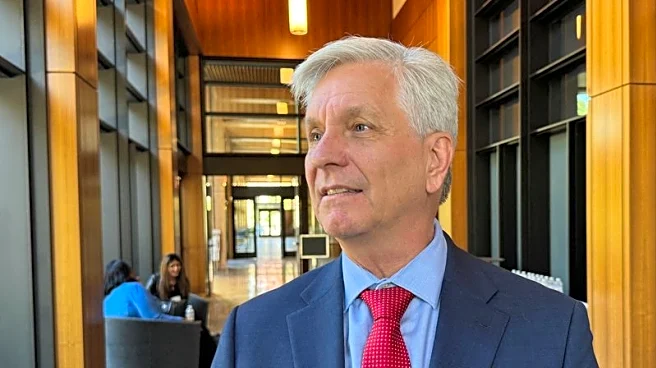
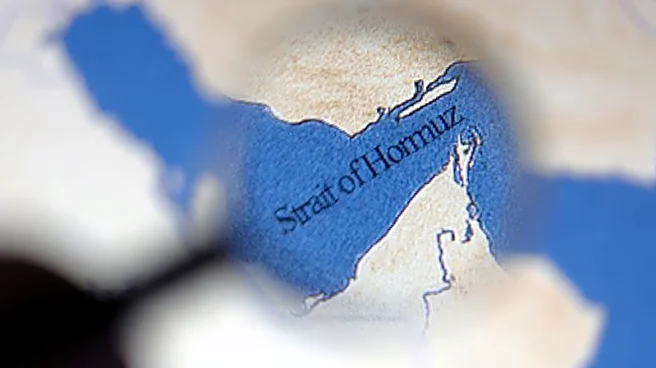
of a 50,000 gain, marking the third decrease in five months. This labor market weakness, coupled with rising oil prices and inflation concerns, has led investors to anticipate rate cuts as early as June. Fed Governor Christopher Waller noted that the recent surge in oil prices might be temporary, but acknowledged the potential for broader economic impacts if the situation persists. The Fed is expected to maintain current interest rates at its upcoming March meeting, but the combination of economic pressures has rekindled fears of stagflation, a scenario of stagnant growth and high inflation.
Why It's Important?
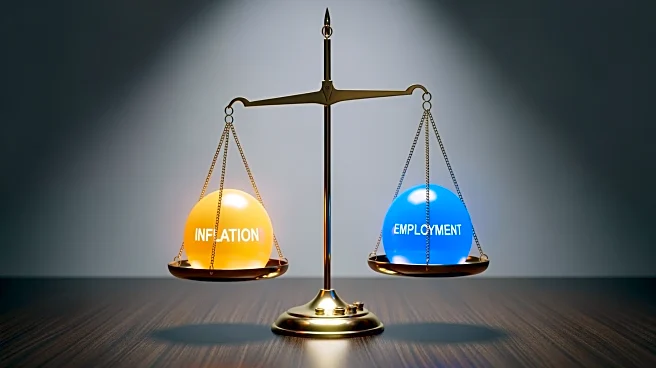
The current economic conditions present a significant challenge for the Federal Reserve as it seeks to balance inflation control with labor market stability. The weak jobs data and rising oil prices could force the Fed to reconsider its monetary policy stance, potentially leading to rate cuts to support the labor market. This situation underscores the delicate balance the Fed must maintain between fostering economic growth and containing inflation. The outcome of these decisions will have far-reaching implications for the U.S. economy, affecting everything from consumer spending to business investment. Stakeholders, including businesses and consumers, are closely watching the Fed's actions, as these will influence economic confidence and financial market stability.
What's Next?
The Federal Reserve's upcoming meeting in March will be closely scrutinized for any signals regarding future monetary policy adjustments. Policymakers will need to weigh the risks of inflation against the need to support a potentially faltering labor market. The trajectory of oil prices and their impact on inflation will also be a critical factor in the Fed's decision-making process. As investors adjust their expectations, the Fed's communication strategy will be crucial in managing market reactions and maintaining economic stability.