





What's Happening?
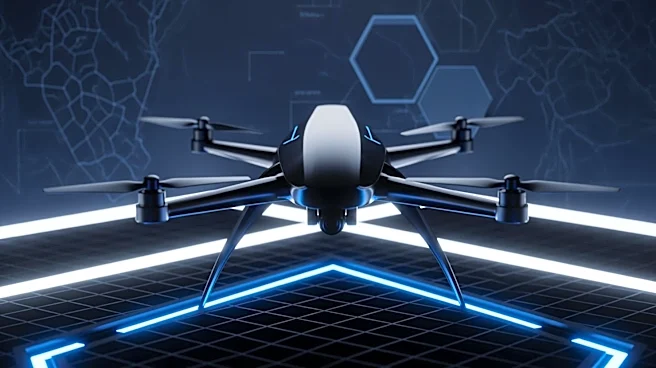
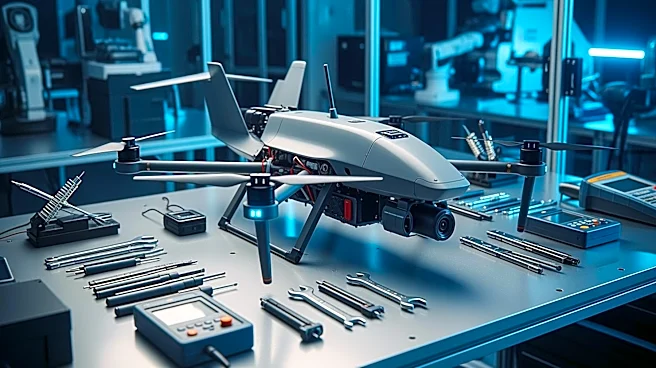
Israeli defense-tech start-up Kela Technology has been recognized as one of the five winners in the Defense Innovation Unit's (DIU) Drone Dominance Program Lethality Challenge. This challenge focuses on developing cost-effective, mass-producible lethal
payloads for small drones. Kela, along with other winners like Bravo Ordnance and Northrop Grumman, will receive a $10,000 cash prize and be included in a preferred munitions solutions list. The program aims to test the U.S. drone ecosystem's ability to produce low-cost systems at scale to meet military demands. The challenge involves a series of competitions, with Kela participating in the second phase, which required the delivery of small unmanned aerial systems (sUAS) capable of operating in challenging environments and delivering lethal payloads.
Why It's Important?
The recognition of Kela Technology in the DIU's challenge highlights the growing importance of drone technology in modern military operations. The ability to produce cost-effective and scalable drone systems is crucial for the U.S. military, which plans to invest $1 billion in small lethal drones over the next two years. This initiative not only enhances the military's operational capabilities but also stimulates innovation and competition within the defense industry. Companies like Kela, which integrate civilian and military technologies, are pivotal in advancing the U.S. military's technological edge. The program's focus on rapid-response capabilities and resilience to electronic warfare underscores the evolving nature of warfare and the need for adaptable and robust systems.
What's Next?
Following the challenge, the DIU will continue to evaluate the performance of the winning drone systems in various operational scenarios. The focus will be on their ability to meet production deadlines and comply with National Defense Authorization Act (NDAA) specifications, which exclude the use of Chinese components. As the program progresses, additional phases will test different characteristics of the drones, providing opportunities for other companies to qualify for future rounds. The ongoing development and procurement of these systems will likely influence future military strategies and procurement policies, emphasizing the need for rapid deployment and technological superiority.