


What's Happening?
IotaMotion, Inc., a leader in robotic-assisted cochlear implant surgery, has announced the issuance of a new U.S. patent, No. 12,558,123, which strengthens its intellectual property portfolio. The patent covers systems and methods related to robotic positioning
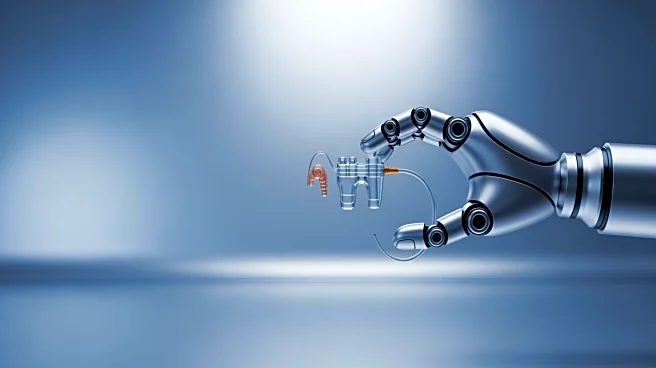
and control in cochlear implant surgery. IotaMotion's flagship technology, the iotaSOFT® Insertion System, is the first and only FDA-cleared robotic-assisted cochlear implant insertion system. It is designed to provide consistent and controlled electrode insertion, preserving delicate intracochlear structures. The system is available for patients aged four and older in the United States. The World Health Organization reports that over 430 million people globally suffer from disabling hearing loss, with more than 60 million potentially benefiting from cochlear implants. However, less than 5% of eligible patients receive implants. IotaMotion's patent aims to support sustained innovation and advancement in this field.
Why It's Important?
The issuance of this patent is significant as it reinforces IotaMotion's position in the growing field of robotic-assisted surgery, particularly in cochlear implantation. The technology addresses a critical need for precision in surgical procedures, which can lead to better patient outcomes and expanded access to cochlear implants. As the demand for such advanced medical technologies increases, IotaMotion's strengthened intellectual property portfolio could lead to further innovations and improvements in surgical techniques. This development is crucial for the medical technology industry, as it highlights the role of intellectual property in fostering innovation and maintaining competitive advantage.
What's Next?
With the new patent, IotaMotion is likely to continue expanding the adoption of its iotaSOFT® Insertion System across more cochlear implant centers. The company may also explore further innovations in robotic-assisted surgery, potentially leading to new applications and markets. As the technology gains wider clinical acceptance, it could drive changes in surgical practices and standards, influencing how cochlear implant surgeries are performed globally. Additionally, the company might engage in strategic partnerships or collaborations to enhance its market presence and technological capabilities.