
What's Happening?
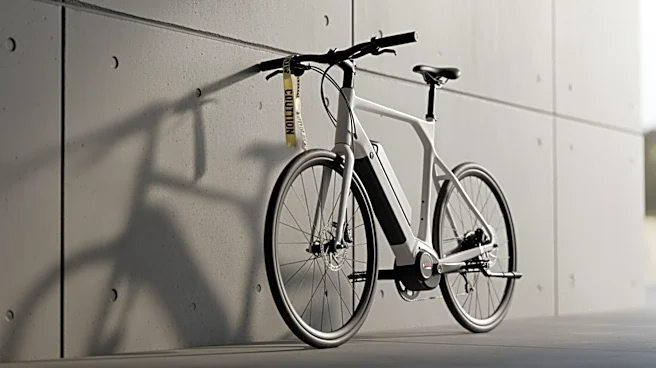
Amazon has agreed to stop selling certain high-speed e-bikes in California after a series of fatal collisions. This decision follows an alert from California Attorney General Rob Bonta, who highlighted
an increase in deaths related to e-bike and motorcycle crashes. The alert specified that pedal-assisted e-bikes should not exceed 28 mph, while throttle-assisted e-bikes are limited to 20 mph. Despite these regulations, Amazon had been selling e-bikes capable of speeds over 40 mph. The company has since removed these products and is investigating compliance for similar items. The move comes amid growing concerns over the safety of electric bikes, which have become popular, especially among teenagers. Orange County District Attorney Todd Spitzer has charged several parents for allowing their children to ride electric motorcycles illegally, describing these vehicles as 'loaded weapons.'
Why It's Important?
The halt in sales of high-speed e-bikes by Amazon is significant as it addresses growing safety concerns associated with these vehicles. The popularity of e-bikes has surged, particularly among younger demographics, leading to increased incidents and fatalities. By removing these high-speed models, Amazon is responding to public safety concerns and regulatory pressures. This action could influence other retailers to reassess their product offerings and compliance with state regulations. It also highlights the need for stricter enforcement of e-bike speed limits and the importance of consumer awareness regarding the safe use of these vehicles. The decision may lead to broader discussions on transportation safety and the regulation of emerging technologies in urban environments.
What's Next?
Following Amazon's decision, there may be increased scrutiny on other retailers selling similar high-speed e-bikes. Regulatory bodies might push for more stringent enforcement of existing speed limits and consider new regulations to ensure public safety. The Los Angeles City Council is already advocating for restrictions on e-bike usage on recreational trails, which could lead to further legislative actions. Additionally, there may be a push for educational campaigns to inform the public about the safe use of e-bikes and the legal requirements for operating them. Stakeholders, including manufacturers, retailers, and safety advocates, will likely engage in discussions to balance innovation with safety.