






What's Happening?
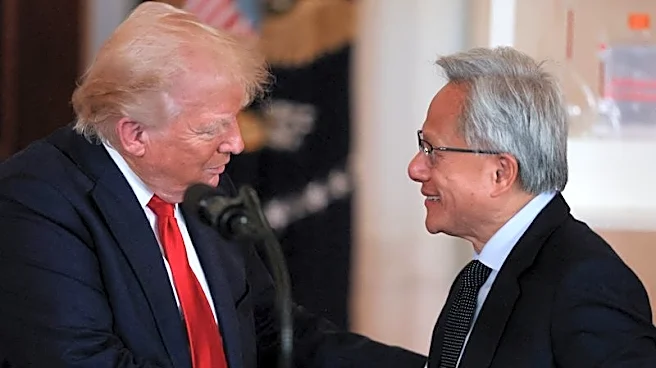
A growing debate among billionaires has emerged over wealth tax proposals in states like California, Washington, and Massachusetts. While some billionaires, such as Nvidia CEO Jensen Huang, support the idea as a civic duty, others, including Peter Thiel
and Ken Griffin, oppose it, viewing it as an attack on their contributions. These proposals aim to address income inequality by taxing the ultra-wealthy, but face challenges due to potential tax avoidance strategies and the risk of wealthy individuals relocating to lower-tax states.
Why It's Important?
The discussion around wealth taxes highlights the broader issue of income inequality and the role of taxation in addressing it. The outcome of these proposals could influence tax policy at both state and federal levels, potentially reshaping how wealth is distributed and impacting public services funded by tax revenues. The debate also reflects differing views on the responsibilities of the wealthy in contributing to societal needs.
Beyond the Headlines
The wealth tax debate reveals generational and ideological divides among billionaires, with some viewing taxes as a necessary contribution to society, while others see them as punitive. This division could influence future political and economic policies, as well as public perceptions of wealth and philanthropy. The effectiveness of wealth taxes in achieving their intended goals remains a contentious issue, with potential implications for economic mobility and social equity.