
What's Happening?
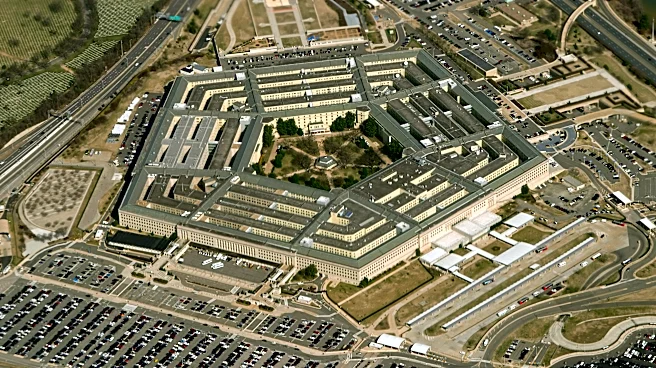
Seven leading artificial intelligence companies, including Google, Microsoft, and Amazon, have entered into agreements with the Pentagon to deploy their technology within classified military networks.
This collaboration aims to enhance data analysis and decision-making on the battlefield. The deals come amid a legal battle with Anthropic, a key AI player, which has been labeled a national security risk by the Pentagon. The agreements include provisions for human oversight of weapons systems and adherence to laws protecting Americans from unlawful surveillance. Despite these safeguards, the partnerships have sparked internal dissent, with hundreds of Google employees expressing concerns over the potential misuse of AI technology.
Why It's Important?
The collaboration between major AI companies and the Pentagon underscores the growing role of artificial intelligence in national security. By leveraging AI, the military seeks to improve its strategic capabilities, potentially altering the landscape of modern warfare. However, the involvement of tech giants raises ethical concerns about the use of AI in military applications, particularly regarding autonomous weapons and surveillance. The agreements highlight a divide within the tech industry, as some companies prioritize national security partnerships while others, like Anthropic, resist due to ethical considerations. This development could influence future policies on AI deployment in defense contexts.
What's Next?
The agreements are likely to prompt further discussions on the ethical implications of AI in military use. As the Pentagon continues to integrate AI into its operations, it may face increased scrutiny from civil society and tech industry stakeholders. The ongoing legal battle with Anthropic could set precedents for how AI companies engage with defense agencies. Additionally, the internal dissent within companies like Google suggests potential challenges in maintaining employee support for military collaborations. The outcomes of these agreements may shape future AI policies and the balance between innovation and ethical responsibility in technology deployment.