
What's Happening?
In 2025, vintage fashion saw a significant resurgence, with Google reporting a notable increase in searches for vintage clothing items. The top searched items included Oakley hoodies, Red Kap pants, Mötley
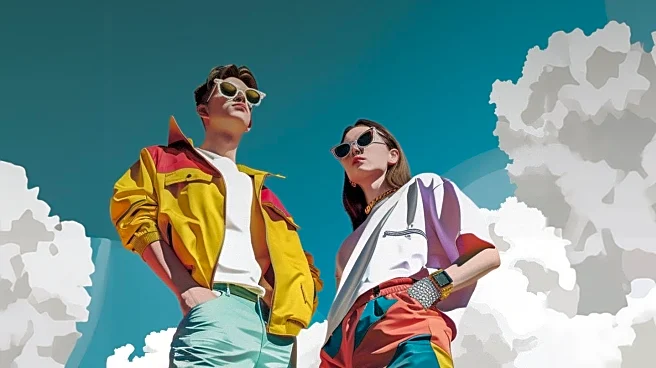
Crüe t-shirts, mock neck sweatshirts, Eagles jackets, Hollister jackets, Miss Me Jeans, Eagles sweatshirts, Fox Racing hoodies, and vintage shorts. This eclectic mix reflects a strong nostalgia for the 1990s and 2000s, eras known for their distinctive fashion trends. The popularity of these items suggests a consumer preference for authentic vintage pieces over modern reinterpretations. This trend aligns with the fashion industry's ongoing fascination with past decades, as seen in recent collections from major designers.
Why It's Important?
The resurgence of vintage fashion highlights a broader cultural and economic trend towards sustainability and nostalgia. As consumers increasingly seek out vintage items, this shift could impact the fashion industry by encouraging more sustainable practices, such as recycling and upcycling. The demand for authentic vintage pieces also suggests a growing appreciation for the craftsmanship and unique styles of past decades. This trend could influence fashion designers to incorporate more vintage-inspired elements into their collections, potentially leading to a revival of certain styles and materials. Additionally, the focus on vintage fashion may drive growth in second-hand and vintage retail markets, offering new opportunities for businesses in this sector.
What's Next?
As the interest in vintage fashion continues to grow, it is likely that more brands will explore ways to integrate vintage elements into their offerings. This could include collaborations with vintage retailers or the launch of dedicated vintage lines. The trend may also prompt fashion houses to revisit their archives, reissuing popular designs from past collections. Furthermore, the emphasis on sustainability could lead to increased investment in technologies and practices that support circular fashion, such as textile recycling and sustainable sourcing. Consumers can expect to see more vintage-inspired collections and marketing campaigns that celebrate the unique styles of the 1990s and 2000s.
Beyond the Headlines
The vintage fashion trend also raises questions about the cultural significance of nostalgia and its impact on consumer behavior. As people look to the past for inspiration, this could reflect a desire for comfort and familiarity in uncertain times. The trend may also highlight generational shifts in fashion preferences, with younger consumers embracing styles that were popular before their time. Additionally, the focus on vintage fashion could spark discussions about the value of preserving fashion history and the role of fashion in cultural identity. These deeper implications suggest that the vintage trend is not just a fleeting fad, but a reflection of broader societal changes.