



What's Happening?
Sensory Robotics, a partner of the University of Cincinnati 1819 Innovation Hub, has announced the UL certification of its SR-1 system, a next-generation safety solution for industrial robots. This certification allows the SR-1 system to be integrated
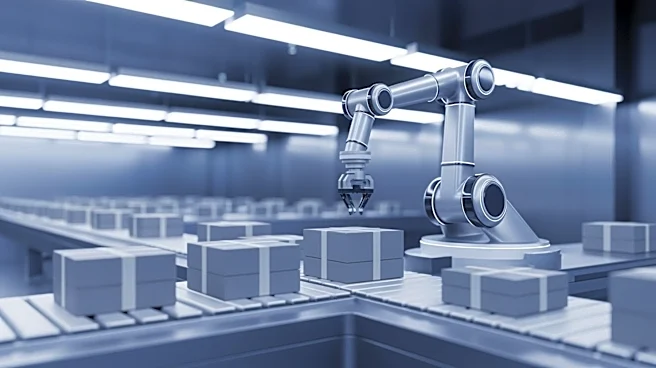
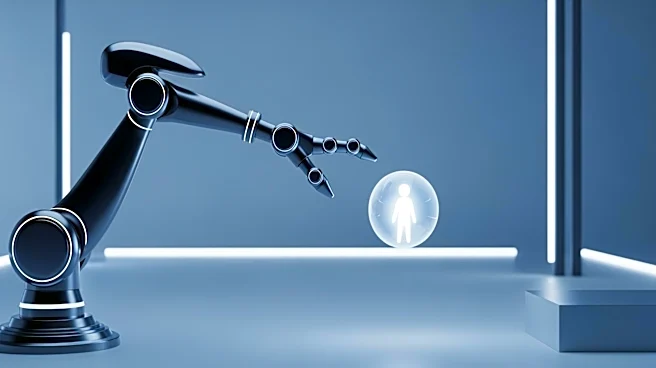
with existing industrial robots, enabling them to operate safely alongside humans without physical barriers. The SR-1 system uses advanced 3D vision technology and sensors to create safety zones, allowing for real-time human-robot collaboration. This development marks a significant milestone in the field of industrial robotics, as it enables the deployment of fenceless robot systems in regulated manufacturing environments.
Why It's Important?
The UL certification of the SR-1 system is a critical advancement in industrial robotics, as it addresses longstanding safety concerns associated with human-robot collaboration. By eliminating the need for physical barriers, the SR-1 system can increase operational efficiency and reduce downtime in manufacturing environments. This technology has the potential to transform industries such as automotive, aerospace, and warehouse automation by allowing for more flexible and efficient use of factory space. The certification also paves the way for broader adoption of fenceless robotics, which could lead to significant cost savings and productivity gains for companies.
What's Next?
With the UL certification, Sensory Robotics is poised to expand the deployment of its SR-1 system across various industries. Companies such as Toyota, the Department of Defense, P&G, and Caterpillar have already expressed interest in integrating the technology into their operations. As more industries adopt fenceless robotics, there will likely be increased focus on developing additional safety features and improving the technology's adaptability to different manufacturing environments. The success of the SR-1 system could also encourage further innovation in the field of human-robot collaboration, leading to new applications and advancements in industrial automation.