






What's Happening?
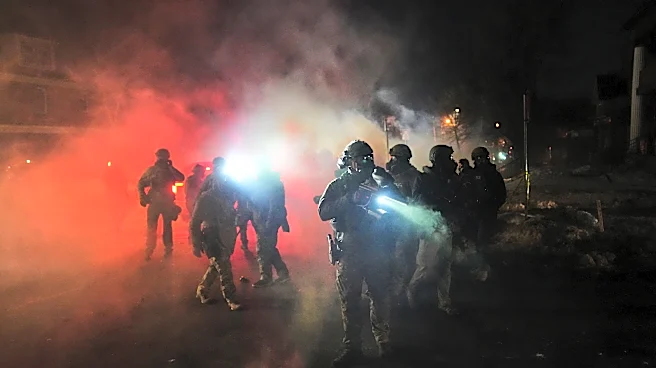
Los Tigres del Norte, a renowned regional Mexican music group, performed their largest concert in the Twin Cities at the Grand Casino Arena in St. Paul, Minnesota. This event took place during their Los Tigres Del Mundo tour amidst heightened tensions
following ICE's Operation Metro Surge. The band, known for advocating immigrant rights, expressed their intention to provide a moment of joy and relief to attendees. Jorge Hernández, a member of the band, stated that despite the pre-scheduled date, they aimed to help the community, which has been significantly affected by recent events. The concert occurred shortly after an ICE officer was charged with assault for allegedly pointing a gun at civilians while off duty.
Why It's Important?
The performance by Los Tigres del Norte is significant as it highlights the role of music in providing solace and unity during times of social and political unrest. The band's commitment to immigrant rights and their decision to proceed with the concert despite the tense atmosphere underscores the power of cultural events to foster community resilience. This event also draws attention to the ongoing issues surrounding immigration enforcement in the U.S., particularly the impact of ICE operations on local communities. By offering a space for enjoyment and distraction, the band contributes to the emotional well-being of their audience, which may be experiencing fear and uncertainty due to recent ICE activities.
What's Next?
Following the concert, it is likely that Los Tigres del Norte will continue their tour, potentially addressing similar issues in other cities. The charged ICE officer's case may proceed through the legal system, drawing further public attention to the conduct of immigration enforcement officers. Community leaders and immigrant rights organizations might use this incident to advocate for policy changes and increased oversight of ICE operations. Additionally, the band's actions could inspire other artists to use their platforms to support social causes and engage with affected communities.